The Nordic countries are admired today for their stability, prosperity and quality of life. But beneath the modern surface lies a world of gods, warriors and seafaring legend that continues to captivate imaginations across the globe. This is a journey into the old stories of the North — the myths, the Vikings and the sagas that shaped a region and still echo through its culture today.
The Age of the Vikings
From roughly the eighth to the eleventh centuries, Norse seafarers from present-day Norway, Sweden and Denmark traded, raided, explored and settled across vast distances. Far from being only fearsome raiders, the Vikings were skilled sailors, traders and craftsmen who reached the British Isles, mainland Europe, the Mediterranean and beyond.
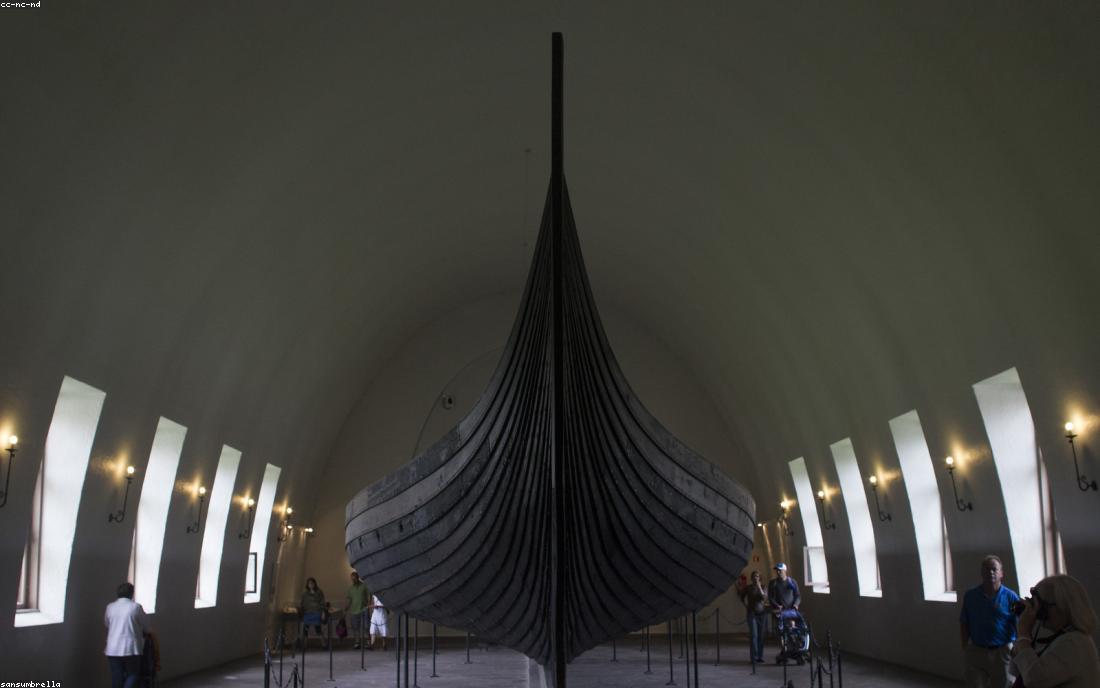
Perhaps their most astonishing achievement was reaching North America centuries before later European voyages, establishing short-lived settlements on its shores. Their longships — sleek, fast and seaworthy — were marvels of engineering that let them travel where others could not.
Norse Mythology: Gods, Giants and the World Tree
The spiritual world of the Norse was vivid and dramatic. At its centre stood a pantheon of gods whose stories blended power, wisdom, mischief and fate.
- Odin, the one-eyed all-father, associated with wisdom, war and poetry, who sacrificed much in his quest for knowledge.
- Thor, the thunder god with his mighty hammer, protector of gods and humans alike.
- Loki, the cunning trickster whose schemes drove many of the myths.
Binding it all together was Yggdrasil, the great world tree whose branches and roots connected the realms of existence. The myths spoke of creation, of the deeds of gods and heroes, and of an eventual cataclysm in which the old world would end and a new one rise.
To understand the Nordic soul, start with its stories — they reveal a people who looked fate in the eye.
The Sagas: Literature Born of Memory
Centuries after the Viking age, the people of Iceland preserved a remarkable body of literature known as the sagas. Written down in the medieval period, these prose narratives told of settlers, feuds, journeys, heroism and everyday life. Unlike many myths, the sagas often felt grounded and human, full of complex characters, sharp dialogue and a striking sense of realism.
The sagas are among the great achievements of medieval European literature, offering a window into how the Norse saw themselves, their ancestors and their world. They preserved history, genealogy and moral lessons for generations to come.
How the Old Stories Survived
Much of what we know comes from texts recorded in Iceland, where a strong tradition of storytelling and writing kept the old tales alive even after the arrival of Christianity. Without these efforts, vast portions of Norse mythology and history would have been lost. The careful preservation of oral tradition in written form was itself a cultural triumph.
The Legacy Today
The old stories are far from forgotten. They shape national identity across the Nordic region, inspire literature, art, music and film, and have found a global audience through popular culture. Names, places and symbols from Norse mythology appear everywhere, from the days of the week to blockbuster entertainment.
More deeply, the values woven through these tales — courage, loyalty, a clear-eyed acceptance of fate, and respect for the natural world — still resonate in how the Nordic countries see themselves.
Visiting the Land of the Sagas
For travellers, the North offers a chance to walk through this living history. Museums preserve longships and artefacts, dramatic landscapes evoke the world of the sagas, and cultural sites bring the old stories to life. Experiencing the fjords, forests and northern skies, it is easy to understand how such a powerful mythology took root here.
Why These Stories Still Matter
The old Nordic stories endure because they speak to timeless human concerns: the search for wisdom, the bonds of loyalty, the inevitability of change, and the courage to face an uncertain future. They remind us that behind every modern, orderly society lies a deep well of myth and memory that continues to nourish its identity.
Daily Life in the Viking Age
Beyond the dramatic raids and voyages, most people in the Viking age lived as farmers, fishers and craftspeople. Communities were organised around households and local assemblies where disputes were settled and decisions made. Skilled artisans produced fine metalwork, textiles and woodcarving, while trade networks brought goods from distant lands. Understanding this everyday life gives a fuller, more human picture of a people too often reduced to warriors alone.
Runes and Writing
The Norse used a distinctive alphabet known as runes, carved into stone, wood and metal. Runestones erected to commemorate the dead or mark achievements still dot the Nordic landscape, offering precious glimpses into the language, beliefs and events of the age. These inscriptions are among the most direct voices we have from the period, speaking across a thousand years.
Gods of Everyday Life
The Norse gods were not distant figures but woven into daily existence. People looked to different deities for success in harvest, safe voyages, fertility, protection and victory. Rituals, feasts and offerings marked the turning of the seasons and the great moments of life. This intimate relationship between people and their gods shaped the rhythms of the year and the meaning of community.
The Coming of Christianity
Over time, Christianity spread through the Nordic lands, gradually replacing the old beliefs. This transition was neither sudden nor uniform; for a period, old and new traditions coexisted and blended. Remarkably, it was often in the Christian era that the old myths were finally written down, preserved by scholars who valued the heritage of their ancestors even as society changed.
From Legend to Modern Identity
Today, the old stories are a source of pride and fascination across the Nordic region and far beyond. They surface in literature, design, festivals and popular entertainment, and shape how the Nordic countries present themselves to the world. The enduring appeal of these tales shows how a living connection to the past can enrich a modern, forward-looking society.
Exploration and Discovery
The Norse were among history’s greatest explorers, pushing into unknown waters with remarkable courage and skill. They established trade routes and settlements across vast distances, connecting distant cultures and exchanging goods, ideas and technologies. This spirit of exploration — venturing beyond the known world in search of opportunity — is one of the most striking features of the age and a lasting part of the Nordic story.
Women in Norse Society
Norse society, while shaped by its era, afforded women significant roles and rights compared with many contemporary cultures. Women managed households and estates, especially when men were away trading or raiding, and some held positions of considerable influence. The sagas feature strong, complex female characters, reflecting a society in which women’s contributions were valued and remembered.
The Enduring Fascination
Why do these old stories continue to captivate us a thousand years later? Perhaps because they grapple with timeless questions — fate and free will, courage in the face of doom, the bonds of family and loyalty. Their characters feel vivid and human, their world both alien and strangely familiar. In an age of uncertainty, the clear-eyed resolve of the old Norse tales offers something enduringly compelling.
Frequently Asked Questions
Who were the Vikings really?
Far more than raiders, the Vikings were skilled sailors, traders, explorers and craftsmen from the Nordic region who travelled across Europe and even reached North America.
What is Yggdrasil?
Yggdrasil is the great world tree of Norse mythology, whose branches and roots were believed to connect the different realms of existence.
Where were the Norse sagas written?
Many were recorded in medieval Iceland, where a strong tradition of storytelling and writing preserved the old tales for future generations.
Key Takeaways
- The Viking age spanned roughly the 8th to 11th centuries and reached astonishing distances.
- Norse mythology centred on gods like Odin and Thor and the world tree Yggdrasil.
- The Icelandic sagas preserved history and legend in vivid prose.
- These old stories still shape Nordic identity and global culture.
Final Thoughts
Understanding the old stories of the nordic countries is not about memorising every detail, but about grasping the big picture so you can make confident, informed decisions. Europe rewards those who do their homework: the more clearly you understand how things work, the better placed you are to seize opportunities and avoid costly mistakes. Take the time to plan, ask questions, and seek reliable guidance when the stakes are high. The effort you invest in understanding the essentials today will pay off many times over in the choices you make tomorrow.
It is also worth remembering that the landscape is always shifting. Rules change, markets move, and new opportunities open while others close. What matters most is building a solid foundation of knowledge so that, whatever changes come, you can adapt with confidence rather than being caught off guard. Treat this guide as a starting point and stay curious as your own situation evolves.
At Inside Euro Life, our aim is to cut through complexity and give you clear, trustworthy explanations of the topics that matter most — from finance and travel to work, health, sport and culture across the continent. Every article is researched and written from scratch by our editorial team, with the goal of being genuinely useful rather than merely filling space. We will keep updating our coverage as rules, markets and circumstances change, so you always have a dependable starting point.
Where to Go From Here
If this guide helped you, explore our other in-depth articles on living, working, investing and travelling in Europe. Each one is written to help readers in India and around the world make the most of everything Europe has to offer. Bookmark the page, share it with anyone who might benefit, and check back regularly for fresh, practical insight you can actually use. The more you read, the clearer the bigger picture becomes — and the more confident you will feel about your own European journey, whether that means a visit, a career move, an investment, or simply a deeper understanding of this remarkable continent.
Have a question we have not answered, or a topic you would like us to cover? Our editorial desk welcomes suggestions from readers, because the best guides are shaped by the real questions people ask. Thank you for reading, and we hope to be a trusted companion on whatever European path you choose to follow.
Leave a Reply