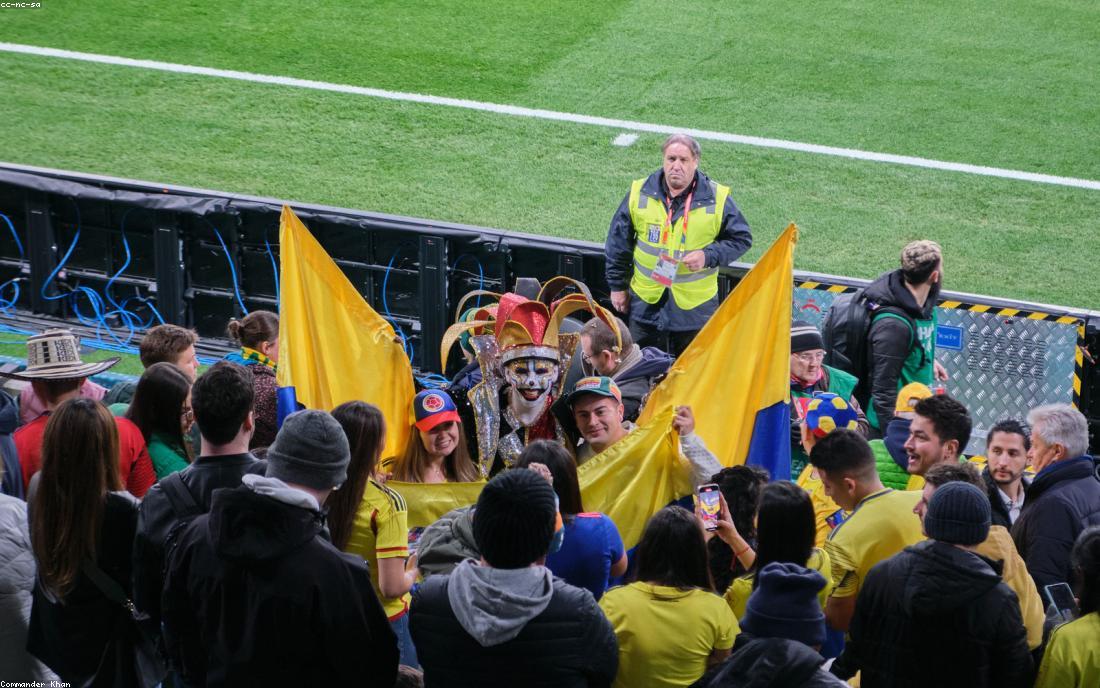
The countdown is nearly over. The FIFA World Cup 2026 — the biggest football tournament in history — kicks off on 11 June 2026 with the opening ceremony in Mexico City, followed by the tournament’s first match at the Estadio Azteca. After months of anticipation, qualification campaigns, squad announcements and growing excitement, the world’s greatest sporting event is about to begin. Here is everything you need to know as the tournament opens.
The Opening Ceremony: Mexico City Sets the Stage
Mexico City’s Estadio Azteca, a legendary venue that has hosted two previous World Cup finals in 1970 and 1986, provides a historically resonant setting for the opening ceremony. The ceremony is expected to be a spectacular celebration of North American culture, bringing together elements from the three host nations — the United States, Canada and Mexico — in a production designed to introduce the tournament to a global audience of billions.
For football lovers with a historical appreciation of the game, the Azteca setting is deeply meaningful. This is the stadium where Pelé lifted the 1970 trophy and where Maradona produced his famous “Hand of God” and goal of the century against England in 1986. Opening the 2026 edition here connects the biggest World Cup in history to its most legendary moments.
The World Cup is not just a football tournament — it is the world coming together around a shared passion, and the 2026 edition does so on a scale never seen before.
The First Matches: What to Watch
The group stage opens on 11 June and runs through late June, with 12 groups of four teams each competing for places in the expanded knockout phase. The early matches will introduce the 48 competing nations — including debut participants from Africa, Asia and the Americas — and begin to reveal which sides arrive in the form their pre-tournament billing demands.
European fans will be watching their national teams with particular intensity. France, England, Germany, Spain and Portugal — the continent’s leading contenders — all begin their campaigns in the second week of June. The performances in the group stage set the tone for what follows and offer the first real evidence of which teams are capable of going all the way.
European Teams: First Group Stage Tests
The European nations have been drawn into groups that offer a mix of familiar opponents and new challenges. France, the betting favourite, face tests designed to reveal whether the squad depth that looks so compelling on paper translates into cohesive team performance. England, perennially expected to succeed and perennially complicated, face a group that should allow them to advance while building match sharpness for the knockout rounds.
Germany arrive with renewed confidence following a period of rebuilding, and their group-stage schedule offers the opportunity to establish momentum early. Spain, with their technically gifted squad, and Portugal, with Ronaldo providing emotional as well as footballing impetus, both enter the tournament as genuine threats to the trophy.
The Messi and Ronaldo Factor
The 2026 World Cup is widely expected to be the final World Cup for both Lionel Messi and Cristiano Ronaldo — the two players whose rivalry has defined football for more than fifteen years. Messi, the 2022 champion, leads Argentina with the quiet authority of a player at peace with his legacy but determined to add one final chapter. Ronaldo brings Portugal with the energy of a man who has spent his career chasing records and will not stop now.
How to Watch From Europe
European viewers will find that many World Cup matches fall in the evening and night hours, local time, given the North American venues. For dedicated fans, this is a minor inconvenience compared to the pleasure of the tournament itself. Broadcasting arrangements vary by country, and viewers should check official sources for coverage details in their specific market.
Why the 2026 World Cup Is Different
The expansion to 48 teams fundamentally changes the World Cup experience. More nations mean more stories, more cultures and more emotional journeys compressed into a single tournament. The qualification of smaller footballing nations creates genuine David-versus-Goliath moments that the World Cup has always produced but the new format amplifies.
The three-country hosting arrangement also gives the tournament an unusual geographical breadth. Matches in Mexico City, New York, Los Angeles, Toronto and dozens of other cities create a genuinely continental event. For football fans lucky enough to attend, the North American World Cup offers the chance to combine the tournament with some of the greatest cities and experiences the continent has to offer.
The Fan Experience in 2026
The fan experience at the 2026 World Cup is shaped by the digital revolution in ticketing, navigation and real-time information. All tickets are in the FIFA app — no paper, no physical backup. Mobile connectivity at stadiums is essential, and fans should plan accordingly by downloading their tickets in advance and ensuring their device is fully charged before arriving.
The North American venues offer world-class facilities, and the cities hosting matches — New York, Los Angeles, Miami, Dallas, Toronto, Mexico City and others — are among the most exciting destinations in the world. Combining World Cup attendance with genuine urban tourism is one of the great pleasures of this edition, and fans who plan their trips carefully will have experiences that go far beyond the ninety minutes on the pitch.
For the billions watching from afar, the digital revolution means more access to coverage, analysis and real-time updates than any previous World Cup. Social media, streaming platforms and official digital channels will bring the tournament to audiences who cannot be there in person, ensuring that the 2026 World Cup reaches a truly global audience.
Frequently Asked Questions
When does the 2026 World Cup start?
The tournament officially begins on 11 June 2026 with the opening ceremony in Mexico City.
How many teams are in the 2026 World Cup?
48 teams participate for the first time, expanded from the 32 of previous editions.
Where is the 2026 World Cup final?
The final takes place on 19 July 2026 at MetLife Stadium in New York/New Jersey.
Key Takeaways
- The 2026 World Cup opens on 11 June at the historic Estadio Azteca in Mexico City.
- 48 teams compete for the first time in the tournament’s history.
- France, England, Germany, Spain and Portugal are Europe’s leading contenders.
- Messi and Ronaldo are both expected to play their final World Cups.

Leave a Reply