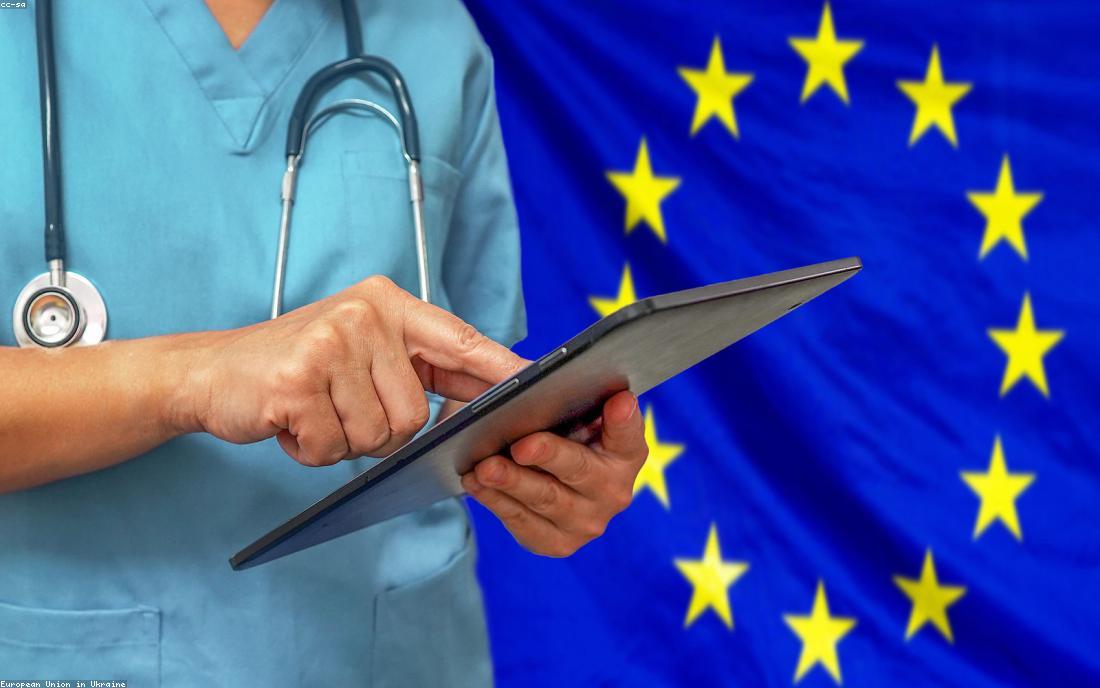
Year after year, European nations dominate global healthcare rankings. From universal coverage to cutting-edge hospitals, the continent has built systems that other parts of the world study closely. This guide explains how European healthcare works, what it costs, why it performs so well, and why a growing number of patients travel to Europe for treatment.
What Makes European Healthcare Special
The highest-ranked European systems share several features: universal access so no one is left untreated, strong primary care that catches problems early, well-funded hospitals, and a focus on prevention rather than just treatment. The underlying philosophy is that health is a shared responsibility, and that no one should be bankrupted by illness.
Different Routes to the Same Goal
Crucially, there is no single European model. Some countries fund care through taxation, others through mandatory insurance, and many blend the two. Yet despite these structural differences, they achieve broadly similar outcomes: long life expectancy, low rates of preventable death, and high patient satisfaction.
Europe proves there is no single right way to organise healthcare — but universal coverage and steady investment are non-negotiable.
How Costs Work
In tax-funded systems, care is largely free at the point of use, paid for through general taxation. In insurance-based systems, residents pay premiums or contributions, often shared with employers. Patients may face small co-payments for certain services, prescriptions or visits, but catastrophic costs are generally shielded. This stands in sharp contrast to systems where a single serious illness can cause financial ruin.
The European Health Insurance Card
For EU residents, one of the most practical benefits is the European Health Insurance Card. It allows holders to access state healthcare in other member states during temporary stays, on the same terms as locals. It is not a replacement for travel insurance — it does not cover private treatment or repatriation — but it is a valuable safety net for travellers within Europe.
The Rise of Medical Tourism
Europe has become a major destination for medical tourism, with patients travelling across borders for quality care at competitive prices.
- Central and Eastern Europe: Countries like Hungary and Poland are renowned for affordable, high-quality dental and cosmetic procedures.
- Western Europe: Patients travel for specialist and advanced treatments at world-leading clinics.
- Wellness and recovery: Many combine treatment with recuperation in beautiful surroundings.
Choosing Treatment Abroad Wisely
Medical tourism can deliver excellent value, but it requires careful research. Look for accredited clinics, transparent pricing, clear aftercare arrangements and good communication. The cheapest option is rarely worth the risk where health is concerned, and follow-up care back home should be planned in advance.
Healthcare for Expats and Newcomers
Those relocating to Europe usually join the local health system once they become residents, either through employment-linked insurance or by arranging private cover. Understanding your entitlements, registering with a local doctor, and knowing how to access emergency care are important early steps in any new country.
Mental Health: A Growing Priority
Attitudes toward mental health across Europe are shifting, with growing recognition that psychological wellbeing deserves the same attention as physical health. Many countries have expanded access to counselling, integrated mental-health services into primary care, and launched campaigns to reduce stigma. Challenges such as waiting times remain, but the direction is clearly toward openness and accessible support. If you or someone you know is struggling, reaching out to a local doctor or support service is an important first step.
The Bigger Picture
European healthcare is not perfect — systems face pressures from ageing populations, workforce shortages and rising costs. But the commitment to universal access and prevention continues to deliver some of the best health outcomes in the world, and offers lessons for healthcare reformers everywhere.
Primary Care: The First Point of Contact
A defining feature of strong European systems is robust primary care. Family doctors, or general practitioners, act as the first point of contact and often coordinate access to specialists. This gatekeeping model keeps costs down, catches problems early and ensures patients are guided to the right care. Registering with a local doctor is one of the first things newcomers should do.
Emergency Care Across Europe
Emergency services across Europe are generally excellent and accessible to anyone in genuine need, regardless of nationality. Knowing the local emergency number, the location of the nearest hospital, and how urgent care works in your country is essential information for residents and visitors alike. In a true emergency, care is provided first and administrative questions follow.
The Role of Pharmacies
Pharmacies play a larger role in European healthcare than many newcomers expect. Pharmacists are highly trained and can advise on minor ailments, recommend over-the-counter remedies and explain prescriptions. For non-urgent issues, a visit to the local pharmacy is often the quickest and most convenient first step before seeing a doctor.
Waiting Times and How to Manage Them
No system is perfect, and waiting times for non-urgent specialist appointments or elective procedures can be a frustration. Many residents use supplementary private insurance to access faster care, while others plan ahead and book early. Understanding how your system prioritises urgent versus routine care helps set realistic expectations.
Public Health and Prevention
European systems place strong emphasis on prevention — vaccination programmes, screening, health education and public-health campaigns. This focus on keeping people healthy, rather than only treating illness, is a major reason for the continent’s strong health outcomes. Taking advantage of free screenings and preventive services is one of the smartest things any resident can do.
Technology and the Future of European Healthcare
European health systems are increasingly embracing technology, from electronic health records and telemedicine to data-driven prevention. These innovations promise faster, more convenient and more personalised care, allowing patients to consult doctors remotely and manage their health more actively. While adoption varies between countries, the direction is clear: healthcare is becoming more digital, more connected and more focused on keeping people well rather than only treating illness.
Healthcare and an Ageing Population
One of the greatest challenges facing European healthcare is demographic change. As populations age, demand for care rises while the working-age population that funds it shrinks. Countries are responding with investment in preventive care, support for healthy ageing, and reforms to keep systems sustainable. How successfully they manage this balance will shape the quality and affordability of care for decades to come.
What Newcomers Should Do First
For anyone arriving in Europe, a few early steps make navigating healthcare far easier: register with a local family doctor, arrange the required insurance, learn the emergency number, and locate the nearest pharmacy and hospital. Taking these simple actions soon after arrival means that if illness strikes, you already know exactly what to do — turning a potentially stressful situation into a manageable one.
Frequently Asked Questions
Is healthcare free in Europe?
In tax-funded systems, care is largely free at the point of use. Insurance-based systems involve premiums or contributions, sometimes with small co-payments, but catastrophic costs are generally shielded.
What is the European Health Insurance Card?
It lets EU residents access state healthcare in other member states during temporary stays, on the same terms as locals. It does not replace travel insurance.
Why do people travel to Europe for medical treatment?
Many European countries offer high-quality care at competitive prices, particularly for dental, cosmetic and specialist procedures, often combined with pleasant recovery settings.
Key Takeaways
- Europe tops global healthcare rankings through universal access and prevention.
- Funding models differ but outcomes are consistently strong.
- The EHIC helps EU residents access care while travelling in Europe.
- Medical tourism offers value but demands careful research.
Final Thoughts
Understanding healthcare in europe explained is not about memorising every detail, but about grasping the big picture so you can make confident, informed decisions. Europe rewards those who do their homework: the more clearly you understand how things work, the better placed you are to seize opportunities and avoid costly mistakes. Take the time to plan, ask questions, and seek reliable guidance when the stakes are high. The effort you invest in understanding the essentials today will pay off many times over in the choices you make tomorrow.
It is also worth remembering that the landscape is always shifting. Rules change, markets move, and new opportunities open while others close. What matters most is building a solid foundation of knowledge so that, whatever changes come, you can adapt with confidence rather than being caught off guard. Treat this guide as a starting point and stay curious as your own situation evolves.
At Inside Euro Life, our aim is to cut through complexity and give you clear, trustworthy explanations of the topics that matter most — from finance and travel to work, health, sport and culture across the continent. Every article is researched and written from scratch by our editorial team, with the goal of being genuinely useful rather than merely filling space. We will keep updating our coverage as rules, markets and circumstances change, so you always have a dependable starting point.
Where to Go From Here
If this guide helped you, explore our other in-depth articles on living, working, investing and travelling in Europe. Each one is written to help readers in India and around the world make the most of everything Europe has to offer. Bookmark the page, share it with anyone who might benefit, and check back regularly for fresh, practical insight you can actually use. The more you read, the clearer the bigger picture becomes — and the more confident you will feel about your own European journey, whether that means a visit, a career move, an investment, or simply a deeper understanding of this remarkable continent.
Have a question we have not answered, or a topic you would like us to cover? Our editorial desk welcomes suggestions from readers, because the best guides are shaped by the real questions people ask. Thank you for reading, and we hope to be a trusted companion on whatever European path you choose to follow.
Leave a Reply