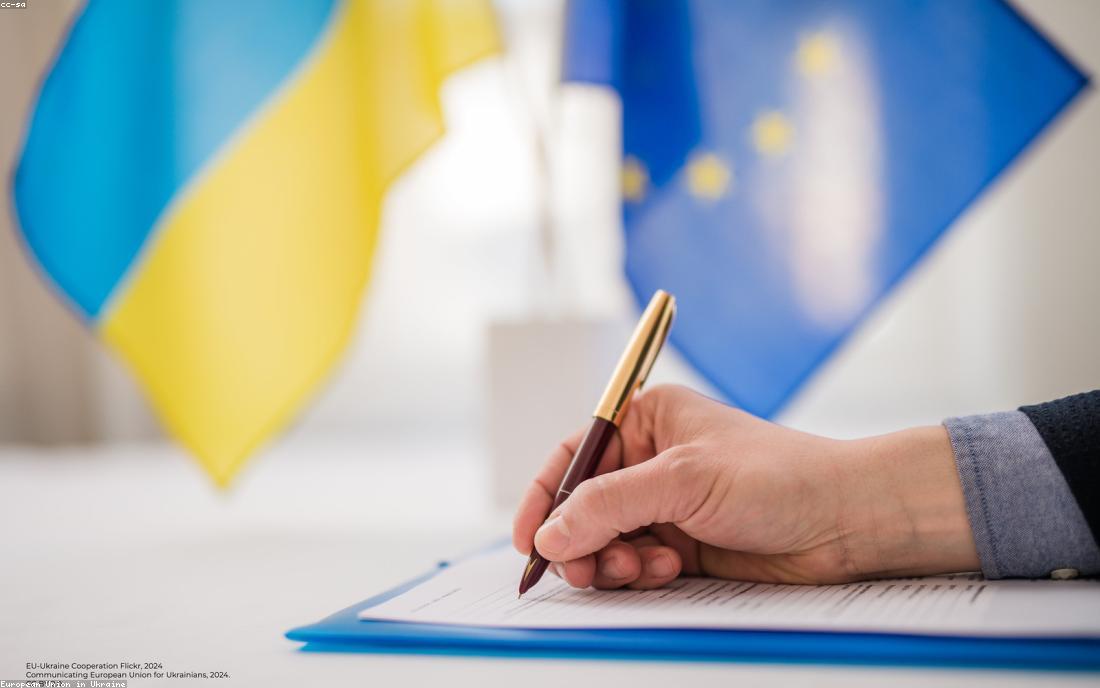
The conflict involving Iran has moved from the background of European politics to its centre. Energy markets are reacting, diplomatic channels are working at full intensity, and ordinary Europeans are already feeling some of the effects at petrol stations and in their heating bills. This analysis explains what is happening, why it matters for Europe, and what the continent is doing in response.
The Energy Shock
The Middle East remains central to global energy markets, and any significant disruption involving Iran reverberates immediately through oil and gas prices worldwide. The Strait of Hormuz — the narrow waterway through which a significant portion of global oil flows — has been at the centre of tensions, with negotiations over its reopening ongoing amid fraught international discussions.
For European countries that import energy — which is most of them — higher oil and gas prices translate directly into higher fuel costs, electricity bills and transport expenses. The European Central Bank has noted that the energy price shock from the conflict has been both large and persistent, complicating its monetary policy decisions.
Europe cannot be indifferent to events in the Middle East — its energy security is directly connected to regional stability.
The Strait of Hormuz Crisis
More than forty countries have launched a coalition to secure the Strait of Hormuz, recognising that the free flow of energy through this waterway is a matter of global economic security. Several European nations are among the participants, contributing naval assets and diplomatic weight to an effort that is as much about signalling resolve as about direct military action.
Any extended closure of the strait would have severe consequences for global energy supplies, with European consumers among the most exposed. The urgency of the coalition reflects just how seriously governments are taking this risk.
Diplomatic Activity: Switzerland’s Role
As noted elsewhere in our coverage, Switzerland — as a neutral state — has maintained its traditional role as a discreet channel of communication during the crisis. Geneva has hosted meetings that would be impossible in capitals with direct stakes in the conflict. This is precisely the kind of quiet diplomacy that rarely makes headlines but can, at critical moments, prevent escalation.
What European Governments Are Doing
The European Union has urged de-escalation and worked to keep diplomatic channels open. Spain has closed its airspace to American military aircraft involved in the conflict — a decision that reflects both legal and political calculations. Individual member states have taken their own positions, with the result that European policy on the conflict is not uniform, even as the overall thrust of EU foreign policy leans toward engagement and negotiation.
The Impact on Everyday Europeans
For ordinary citizens, the most direct impact arrives through energy prices. Fuel costs have risen. In some countries, governments have introduced temporary relief measures to cushion the blow for households and businesses. The broader economic confidence effect — the willingness to invest and spend when geopolitical uncertainty is high — is harder to quantify but very real.
What Comes Next
The outcome of the conflict and the diplomatic negotiations around it will shape European energy markets, security architecture and foreign policy for years. Europe has a direct interest in a stable Middle East, not only for energy reasons but because instability there generates migration pressures, security challenges and economic disruptions that all ultimately reach European shores.
Frequently Asked Questions
How does the Iran conflict affect European energy prices?
It raises oil and gas prices globally, which translates into higher fuel and heating costs for European households and businesses.
What is the Strait of Hormuz and why does it matter?
It is the narrow waterway through which a significant share of global oil flows. Disruption there directly impacts global energy markets.
Is Europe directly involved in the conflict?
The EU is not a direct combatant but is deeply involved diplomatically. Individual member states have taken different positions on airspace access and coalition participation.
Key Takeaways
- The Iran conflict is driving up energy prices across Europe.
- Over 40 countries, including European nations, have joined a coalition to secure the Strait of Hormuz.
- Switzerland continues its role as a discreet diplomatic channel.
- European governments are balancing energy security with diplomatic engagement.
Leave a Reply