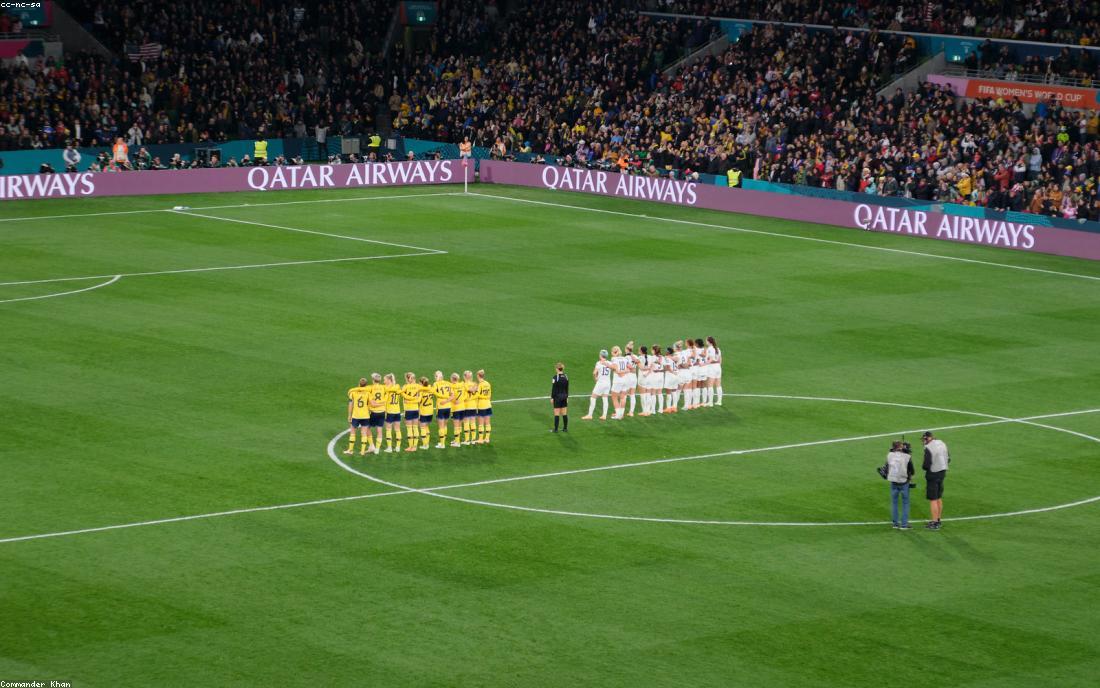
The wait is almost over. The FIFA World Cup 2026 — the biggest football tournament in history — kicks off on 11 June across the United States, Canada and Mexico. With 48 teams competing for the first time, 104 matches across 16 host cities, and a galaxy of stars including the likely farewell tournaments of Lionel Messi and Cristiano Ronaldo, the anticipation is reaching fever pitch. Here is your complete countdown guide to the tournament that will captivate the world.
The Biggest World Cup Ever
The 2026 World Cup represents a historic expansion of football’s premier tournament. For the first time, 48 nations will compete — up from the 32 of previous editions. This means more matches, more nations, more drama and more opportunities for surprise stories. The tournament spans three host nations across North America, with the final to be held at MetLife Stadium in the New York/New Jersey area on 19 July.
The expanded format changes the dynamics of the tournament. More teams mean more group-stage matches and a longer path to the final. It also means more opportunities for footballing minnows to make their mark on the world stage, and more chances for the established powers to be caught out.
48 teams, 16 cities, three countries, one trophy. The 2026 World Cup is football on a scale never seen before.
The Stars to Watch
The 2026 World Cup carries enormous emotional weight thanks to the likely final appearances of two of the greatest players in history. Lionel Messi, who led Argentina to glory in 2022, returns for his sixth and almost certainly final World Cup. Cristiano Ronaldo, Portugal’s talisman, is also expected to be playing his last World Cup. Watching these two legends on the biggest stage one final time is a privilege for football fans everywhere.
Beyond the veterans, the tournament will showcase the brightest young talents in world football, players who will define the sport for the next decade. The combination of established legends and emerging stars makes the 2026 edition particularly compelling.
The European Contenders
Europe sends its strongest-ever contingent to the expanded tournament. France, the talented and deep squad led by their attacking stars, arrive as one of the favourites. England carry the perpetual hopes of a nation waiting for glory since 1966. Germany bring their tournament pedigree and renewed quality. Spain offer their beautiful, effective football. Portugal, with Ronaldo, have the talent to go deep. Any of these nations could lift the trophy.
The Host Nations
The choice of the United States, Canada and Mexico as host nations brings football’s biggest event to a region with a rapidly growing appetite for the sport. The vast distances involved, the diverse climates and the enormous stadiums create a unique tournament environment. For the host nations, the World Cup is an opportunity to cement football’s place in their sporting cultures.
How to Follow From Europe and India
For European fans, the time difference means many matches will be played in the evening and night, European time — convenient for prime-time viewing. For fans in India, the matches will fall in the late-night and early-morning hours, requiring dedication from the country’s passionate football following. Broadcasting arrangements vary by region, and fans should check official sources for how to watch in their country.
The Format Explained
The 48 teams are divided into 12 groups of four. The top two from each group, plus the eight best third-placed teams, advance to a 32-team knockout phase. From there, the tournament follows the familiar single-elimination format through the round of 32, round of 16, quarterfinals, semi-finals and final. The expanded format means the tournament lasts longer and features more matches than ever before.
Why This World Cup Matters
Every World Cup is special, but the 2026 edition carries particular significance. It is the biggest tournament in history. It features the likely farewells of Messi and Ronaldo. It brings football to North America on an unprecedented scale. And it arrives at a moment when the global appetite for football has never been greater. For the billions who will watch around the world, the 2026 World Cup promises to be unforgettable.
The Cultural Significance of the World Cup
The FIFA World Cup is more than a football tournament — it is a global cultural phenomenon that brings together billions of people across every continent, language and culture. For one month every four years, the world’s attention focuses on a shared spectacle that transcends the divisions of everyday life. The 2026 edition, the biggest ever, will amplify this unifying power.
For Europe, where football is woven deeply into the cultural fabric, the World Cup is a moment of collective passion. Cafés fill, public spaces host viewing parties, and conversations everywhere turn to the tournament. The success or failure of national teams becomes a matter of genuine national emotion, and the tournament’s stars become household names.
For the growing football audiences in India and beyond, the World Cup is an opportunity to participate in this global celebration. The expansion to 48 teams, the presence of legends like Messi and Ronaldo, and the accessibility of modern broadcasting mean that the 2026 tournament will reach more people, in more places, than any sporting event in history. It is, quite simply, the world’s game at its grandest.
Frequently Asked Questions
When does the FIFA World Cup 2026 start?
The tournament begins on 11 June 2026 and runs until the final on 19 July, hosted across the USA, Canada and Mexico.
How many teams are in the 2026 World Cup?
48 teams compete for the first time in history, up from 32 in previous editions.
Will Messi and Ronaldo play in the 2026 World Cup?
Both Lionel Messi and Cristiano Ronaldo are expected to feature in what are likely to be their final World Cup appearances.
Key Takeaways
- The 2026 World Cup is the biggest ever, with 48 teams across 16 cities in three countries.
- It features the likely final World Cups of Messi and Ronaldo.
- Europe sends its strongest contingent, with France, England, Germany, Spain and Portugal all contending.
- The tournament begins on 11 June with the final on 19 July at MetLife Stadium.
Leave a Reply