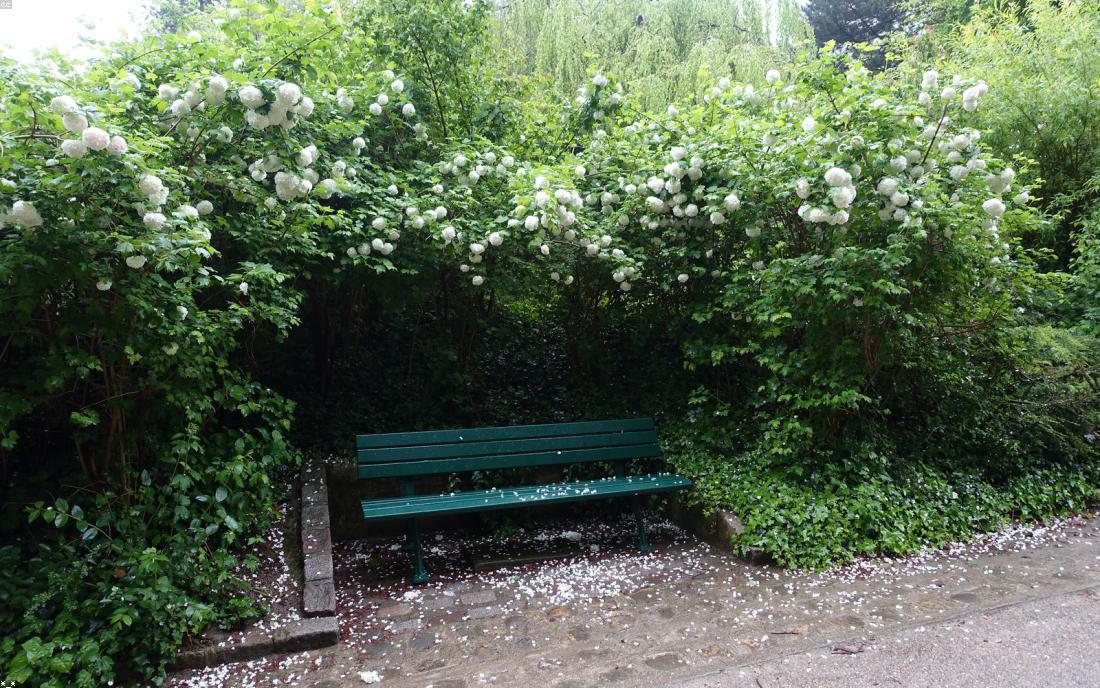
After weeks of record-breaking heat that shattered May temperature records across Western Europe and continued into the first days of June, the weather has finally begun to shift. Rain returned to Paris on the second day of June, bringing relief from the extraordinary heat that had characterised the first week of the 2026 French Open and much of the preceding month. The change in conditions had immediate practical consequences at Roland-Garros, while across the continent the break in the heat is providing long-awaited relief to millions.
Rain at Roland-Garros: What Changed on Day 10
The intensity of heat that had defined the first week of the 2026 French Open gave way to persistent rain on Day 10, as a weather system moved across northern France. Tournament organisers were forced to move all singles matches to Court Philippe-Chatrier and Court Suzanne-Lenglen — the two courts equipped with retractable roofs — ensuring that play could continue despite the conditions. The change disrupted the schedule and forced players to adjust to very different conditions from those of the preceding days.
The shift from hot, dry clay to cooler, slightly damp conditions under a roof changes the playing experience significantly. The ball moves differently, the surface plays differently, and players who had adapted to the heat had to readjust quickly. For Zverev, who struggled early against Jodar before finding his form, the conditions under the roof presented an initial challenge that he ultimately overcame.
Rain at Roland-Garros is not unusual, but coming after weeks of record heat, the change in conditions felt like a genuine meteorological event for a city and a tournament that had been baking for weeks.
Relief Across Western Europe
Beyond Paris, the easing of the heat has brought genuine relief across Western Europe. UK meteorologists reported a return to more seasonal temperatures following the record May readings. French weather services noted the first significant rainfall across central France in several weeks, providing much-needed relief to agriculture and reducing the acute fire risk that had developed in dried-out woodland and farmland areas.
For the millions of Europeans who had been enduring unusually high temperatures — many in homes and buildings without air conditioning — the break in the heat brings practical comfort. Night-time temperatures, which had remained uncomfortably high through the heatwave, have dropped significantly, allowing for the restorative sleep that sustained heat makes impossible.
Is the Heat Over?
Meteorologists are cautious about declaring the heatwave definitively over. Weather patterns in Europe in 2026 have been highly variable, and the climatic conditions that produced the record May temperatures have not fundamentally changed. The current cooler, wetter period may be a temporary respite rather than the end of an unusually hot season.
Climate scientists continue to emphasise the broader context: the increasing frequency and intensity of European heatwaves is a direct consequence of global climate change. The 2026 spring heat was not an isolated anomaly but the latest data point in a clear and deeply concerning long-term trend. Even as temperatures ease temporarily, the need for adaptation — in infrastructure, urban planning, healthcare and agriculture — remains as urgent as ever.
What the Weather Means for Summer Travel
For travellers planning European holidays in the coming weeks, the return of more seasonal conditions is good news. The intense heat of late May and early June had raised genuine concerns about visitor comfort and safety in major cities. The easing of temperatures makes the experience of exploring European capitals more pleasant, though travellers should still plan for the possibility of hot spells during the summer months.
The Changing Climate of European Sport
The weather disruption at Roland-Garros reflects a broader challenge for outdoor sport in a changing climate. Tennis tournaments, cycling races, athletics events — all have been affected by the increasingly extreme and unpredictable weather patterns of recent European summers. The retractable roofs at major tennis venues, once seen as a luxury addition, are becoming essential infrastructure.
Looking further ahead, sports organisations across Europe are beginning to grapple with the question of how a warming climate will affect their events. Scheduling changes, venue adaptations and new safety protocols are all being considered. The 2026 French Open provided a vivid illustration of both the challenge and the resilience that the sport can display in adapting to conditions that the game’s founders never anticipated.
Learning From the Heatwave: Policy and Personal Lessons
The extraordinary heat of spring 2026 has generated a wealth of data for scientists, policymakers and city planners studying how to make European society more resilient to climate change. The events of this season — the records broken, the lives affected, the infrastructure strained — will inform the next generation of European climate adaptation plans.
For individuals, the heatwave has reinforced the importance of preparation and awareness. Checking on vulnerable neighbours, knowing where to find cooling centres, understanding the signs of heat illness and having a simple plan for extreme heat days are all practical steps that every household can take. The summer of 2026 has been a reminder that climate change is not a distant future concern but a present reality.
The return of cooler, wetter conditions is a temporary respite, not a resolution. The long-term trend is clear, and the adaptation required — in cities, buildings, infrastructure, healthcare and individual behaviour — will need to be sustained and deepened in the years ahead.
Frequently Asked Questions
Has the European heatwave ended?
Rain returned to parts of Western Europe in early June, providing temporary relief. Meteorologists caution that further hot spells are possible through the summer.
How did rain affect the French Open?
Rain on Day 10 forced all matches to courts with retractable roofs, changing conditions for players and affecting match schedules.
Was the 2026 spring heatwave unusual?
Yes. May 2026 broke temperature records across the UK and France, with scientists linking the trend to climate change.
Key Takeaways
- Rain returned to Paris and parts of Western Europe in early June after weeks of record heat.
- Day 10 at Roland-Garros was played entirely under retractable roofs due to persistent rain.
- Meteorologists warn that further hot spells remain possible through summer 2026.
- Climate scientists link the increasingly extreme European heat to long-term climate change.

Leave a Reply