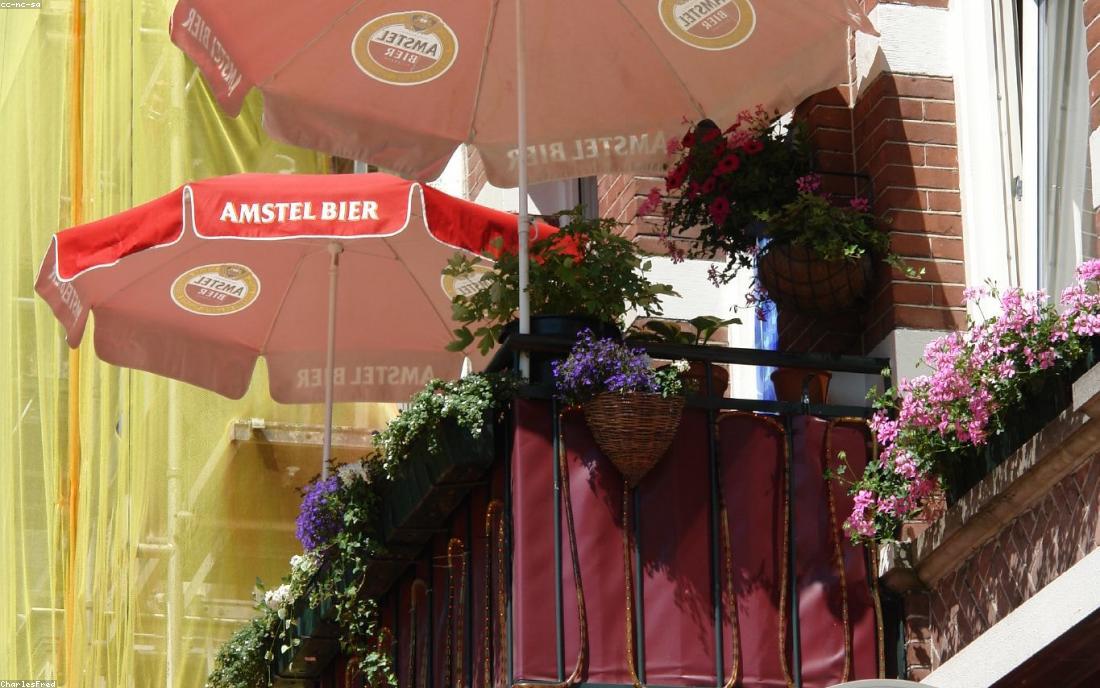
Europe’s extraordinary heat shows no sign of relenting as the continent moves into June 2026. Following the hottest May on record — during which the UK hit 34.8°C and France recorded its warmest May day ever — the early days of June have brought continued high temperatures across much of the continent. Here are the latest updates on a heat event that scientists say reflects the accelerating impact of climate change.
The Latest Conditions Across Europe
The high-pressure system that brought record May temperatures has persisted into June, maintaining well-above-average heat across Western and Central Europe. Major cities including Paris, Madrid, Rome and London have continued to experience temperatures significantly higher than seasonal norms, and the cumulative effect of weeks of heat is being felt in infrastructure, health services and daily life.
Southern Europe — Spain, Italy, Greece and Portugal — faces the most extreme conditions, with temperatures in some areas approaching levels normally seen only at the peak of summer. The Iberian Peninsula in particular has been under sustained heat pressure.
What was once exceptional is becoming the new normal. Europe is experiencing the reality of a changing climate in real time.
The Health Impact
Prolonged heat takes a serious toll on public health. Across Europe, health authorities have issued warnings and activated heat emergency protocols. The elderly, young children, those with chronic health conditions and outdoor workers face the greatest risks. Hospitals in affected regions have reported increased admissions for heat-related conditions, and the cumulative effect of weeks of high temperatures is particularly dangerous for vulnerable populations.
The May heatwave was associated with deaths across the continent, and authorities are working to prevent further casualties as the heat continues. Public health campaigns emphasise hydration, avoiding exertion during peak hours, and checking on vulnerable neighbours and family members.
Infrastructure Under Strain
Europe’s infrastructure, much of it designed for a cooler climate, is struggling. Rail networks face speed restrictions as tracks risk buckling in the heat. Roads soften and deteriorate. Energy demand for cooling surges, placing pressure on electricity grids. Older buildings without air conditioning — common across much of Europe — become dangerously hot, particularly in dense urban areas where the heat-island effect amplifies temperatures.
The Climate Context
Climate scientists are unequivocal: the increasing frequency and intensity of European heatwaves is a direct consequence of human-caused climate change. Each year seems to bring new temperature records, and events that were once considered rare are becoming regular occurrences. The UK’s Climate Change Committee has warned that the country is built for a climate that no longer exists — a observation that applies across much of the continent.
How Cities Are Responding
European cities are adapting with both emergency measures and longer-term planning. Cooling centres provide air-conditioned refuge for those without it at home. Urban greening programmes — planting trees, creating parks and installing green roofs — aim to reduce the heat-island effect over time. Water features and public fountains offer relief. Cities like Paris, Barcelona and Amsterdam are investing in climate adaptation that will become increasingly essential.
What It Means for Summer Travel
For the millions planning European holidays this summer, including many travellers from India, the continued heat is an important consideration. Visiting major cities during peak heat requires planning — structuring activities around the cooler morning and evening hours, staying hydrated, choosing accommodation with air conditioning, and being aware of the signs of heat illness. The heat does not make European travel impossible, but it does require preparation.
Looking Ahead
Meteorologists expect above-average temperatures to continue through the summer of 2026. While the exact pattern of heatwaves cannot be predicted far in advance, the overall trajectory is clear: Europe should prepare for a hot summer, and for hotter summers in the years to come. Adaptation — at the level of individuals, cities and nations — is no longer optional but essential.
The Long-Term Outlook for European Summers
The record heat of 2026 is not an isolated event but part of a clear long-term trend. Climate data shows European summers becoming progressively hotter, with heatwaves arriving earlier, lasting longer and reaching higher temperatures than in previous decades. The summers that today seem exceptional may, within a generation, become ordinary.
This trajectory has profound implications for how Europeans live. Cities designed for mild climates must be retrofitted for heat. Healthcare systems must prepare for the recurring strain of heat-related illness. Agriculture must adapt to changing growing conditions. Tourism patterns may shift as some destinations become uncomfortably hot during peak summer. The adaptation required is extensive and urgent.
There is also the deeper question of mitigation — of addressing the underlying cause of the warming by reducing greenhouse gas emissions. Europe has positioned itself as a global leader in climate action, but the heat of 2026 is a stark reminder that the consequences of past emissions are already being felt, and that adaptation and mitigation must proceed together.
Frequently Asked Questions
How hot is Europe in June 2026?
Following the hottest May on record, June 2026 has continued with well-above-average temperatures across Western and Central Europe, with Southern Europe facing the most extreme conditions.
Why is Europe experiencing record heat?
Climate scientists attribute the increasing frequency and intensity of European heatwaves directly to human-caused climate change.
Is it safe to travel to Europe during the heatwave?
Yes, with preparation. Structure activities around cooler hours, stay hydrated, choose air-conditioned accommodation and know the signs of heat illness.
Key Takeaways
- Record heat has continued into June 2026 after Europe’s hottest May on record.
- Southern Europe faces the most extreme conditions, with health risks for vulnerable groups.
- European infrastructure, built for a cooler climate, is under significant strain.
- Summer travellers should plan around the heat with hydration and cooler-hour activities.

Leave a Reply