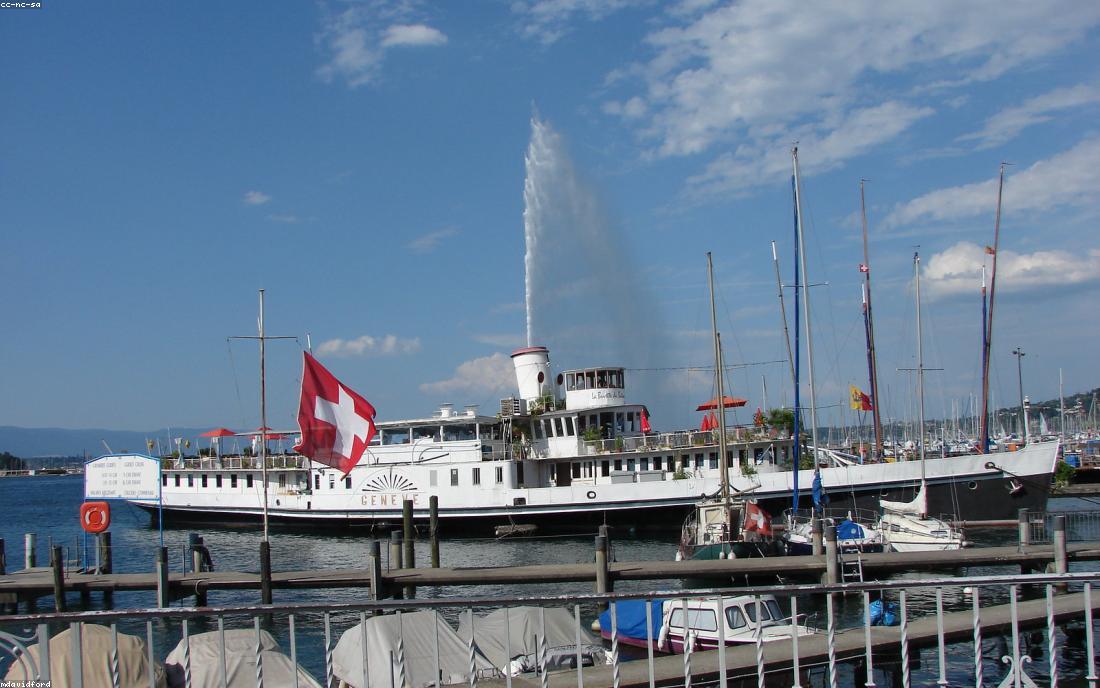
Switzerland sits at the heart of Europe, prized for its neutrality, stability and discretion. Yet precisely because of these qualities, it is rarely a bystander to international crises — even those unfolding thousands of kilometres away. Tensions involving Iran are a striking example of how a conflict in the Middle East can ripple through the Swiss economy, currency and diplomacy. This analysis explains those connections in clear terms.
Switzerland’s Tradition of Neutrality
For centuries, Switzerland has maintained a policy of neutrality, staying out of armed conflicts between other states. This stance has allowed it to become a trusted host for international organisations, a venue for delicate negotiations, and a discreet intermediary between adversaries. Neutrality, however, does not mean isolation — Switzerland is deeply connected to the global economy and feels international tremors keenly.
The Protecting-Power Role
One of Switzerland’s most distinctive contributions to diplomacy is its role as a protecting power. When two countries have no formal diplomatic relations, a neutral state can represent the interests of one in the other. Switzerland has performed this delicate function in relation to Iran for decades, acting as a quiet channel of communication when direct dialogue breaks down.
In a fractured world, neutral ground is precious — and Switzerland has long provided it.
The Safe-Haven Franc
The Swiss franc is one of the world’s premier safe-haven currencies. When geopolitical tensions rise — including flashpoints involving Iran — investors seek shelter in assets perceived as stable. Capital flows into Switzerland, pushing the franc higher.
This creates a familiar dilemma for the Swiss National Bank. A strong franc keeps imported goods and energy cheaper, helping to contain inflation. But it also makes Swiss exports — from precision instruments to pharmaceuticals — more expensive abroad, squeezing the country’s powerful export sector and its tourism industry.
Effects on Swiss Exporters
Switzerland’s economy depends heavily on exports of high-value goods. When the franc strengthens during periods of global stress, Swiss products become pricier for foreign buyers, potentially denting sales. Watchmakers, machinery firms and pharmaceutical companies all watch currency movements closely, as do the many businesses that serve international markets.
Energy and Financial Ripples
Heightened Middle East tensions often unsettle global energy markets, and Switzerland — though not a major oil producer — feels the effects through prices and supply concerns. As a leading hub for commodities trading and global finance, Switzerland is also closely affected by sanctions regimes and shifting capital flows. Compliance with international sanctions adds complexity for Swiss banks and trading houses.
Why a Small Country Feels Big Shocks
Switzerland’s outsized role in global finance, diplomacy and commodities means it experiences international crises far beyond what its size might suggest. Its banks manage enormous sums of cross-border wealth, its trading firms move a significant share of the world’s commodities, and its diplomats are trusted intermediaries. All of this connects the country tightly to events elsewhere.
The Indian Connection
For the many Indian professionals, businesses and investors with Swiss ties, these dynamics matter. A stronger franc means higher salaries and asset values in real terms, but also a steeper cost of living in one of the world’s most expensive countries. Currency swings driven by distant conflicts can quietly affect remittances, savings and business margins.
Neutrality in a Changing World
Switzerland’s neutrality faces fresh questions in an era of renewed great-power rivalry. Debates about sanctions, defence cooperation and the limits of neutrality are lively within the country. Yet its core role — as a stable, trusted, discreet actor — remains valuable precisely because the world has grown more uncertain. As crises flare, the demand for neutral ground and quiet diplomacy only grows.
The Takeaway
The story of Iran and Switzerland is a reminder that in a connected world, no country is truly insulated. A conflict in one region can strengthen a currency, squeeze exporters, move markets and call on the quiet diplomacy of a neutral state on the other side of the continent. Understanding these links helps make sense of how global events touch even the most stable corners of Europe.
Switzerland as a Global Financial Hub
Switzerland’s significance in world affairs is amplified by its role as a leading financial centre. Its banks manage vast sums of cross-border wealth, and its institutions are trusted for their stability and discretion. This financial weight means that international sanctions, capital flows and geopolitical shocks are felt acutely in Swiss boardrooms, even when the events themselves unfold far away.
The Commodities Connection
Less well known is Switzerland’s outsized role in global commodities trading. A significant share of the world’s oil, metals and agricultural commodities is traded through Swiss-based firms. When Middle East tensions affect energy markets, these trading houses are directly exposed, and the ripples reach the wider Swiss economy through employment, tax revenue and financial activity.
How Markets React to Uncertainty
Financial markets dislike uncertainty, and geopolitical flashpoints reliably trigger nervous reactions. Investors shift toward safe assets, energy prices can spike, and currencies move sharply. Switzerland, sitting at the intersection of finance, trade and neutrality, experiences these movements intensely. Following how the franc, Swiss equities and commodity prices respond offers a real-time read on global anxiety.
Diplomacy Behind Closed Doors
Much of Switzerland’s diplomatic value lies in quiet, behind-the-scenes work. As a neutral venue and trusted intermediary, it provides discreet channels for dialogue that would be impossible in the public glare. This unglamorous but vital role has helped defuse tensions and maintain lines of communication during some of the world’s most difficult standoffs.
Lessons for a Connected World
The relationship between distant conflicts and Swiss stability illustrates a broader truth: in today’s interconnected world, no economy is an island. A crisis in one region can strengthen a currency, unsettle markets and call upon the diplomacy of a neutral state thousands of kilometres away. Recognising these connections helps citizens, investors and policymakers alike navigate an uncertain age.
The Limits and Strengths of Neutrality
Neutrality is not passivity. Switzerland actively contributes to international stability through humanitarian work, mediation and the hosting of global institutions. Yet neutrality also has limits, and the country continually debates how far it can go in aligning with international measures while preserving its independent stance. This ongoing conversation reflects a mature democracy weighing principle against pragmatism in a changing world.
Switzerland’s Humanitarian Tradition
Closely tied to its neutrality is Switzerland’s deep humanitarian tradition. The country is the birthplace of major humanitarian institutions and a long-standing supporter of relief efforts worldwide. This tradition reinforces its image as a trusted, impartial actor — qualities that make it valuable as an intermediary in conflicts, including those involving Iran and other complex situations.
Looking Ahead
As global tensions persist, Switzerland’s distinctive combination of neutrality, financial weight and diplomatic skill is likely to keep it at the quiet centre of international affairs. For observers, watching how Switzerland navigates pressures — balancing engagement with independence, principle with pragmatism — offers insight into how small states can wield outsized influence in an interconnected and uncertain age.
Frequently Asked Questions
Why does the Swiss franc rise during global crises?
The franc is seen as a safe haven. When tensions rise, investors move money into stable assets like the franc, pushing its value higher.
What is a protecting power?
It is a neutral country that represents the diplomatic interests of one state in another when the two have no formal relations. Switzerland has played this role in relation to Iran.
How does a stronger franc affect Switzerland?
It keeps imports and energy cheaper, helping contain inflation, but makes Swiss exports and tourism more expensive for foreign buyers.
Key Takeaways
- Switzerland’s neutrality makes it a trusted diplomatic intermediary, including with Iran.
- Global tensions strengthen the safe-haven Swiss franc.
- A strong franc helps importers but squeezes exporters and tourism.
- Switzerland’s role in finance and commodities ties it tightly to world events.
Final Thoughts
Understanding how the iran conflict affects switzerland is not about memorising every detail, but about grasping the big picture so you can make confident, informed decisions. Europe rewards those who do their homework: the more clearly you understand how things work, the better placed you are to seize opportunities and avoid costly mistakes. Take the time to plan, ask questions, and seek reliable guidance when the stakes are high. The effort you invest in understanding the essentials today will pay off many times over in the choices you make tomorrow.
It is also worth remembering that the landscape is always shifting. Rules change, markets move, and new opportunities open while others close. What matters most is building a solid foundation of knowledge so that, whatever changes come, you can adapt with confidence rather than being caught off guard. Treat this guide as a starting point and stay curious as your own situation evolves.
At Inside Euro Life, our aim is to cut through complexity and give you clear, trustworthy explanations of the topics that matter most — from finance and travel to work, health, sport and culture across the continent. Every article is researched and written from scratch by our editorial team, with the goal of being genuinely useful rather than merely filling space. We will keep updating our coverage as rules, markets and circumstances change, so you always have a dependable starting point.
Where to Go From Here
If this guide helped you, explore our other in-depth articles on living, working, investing and travelling in Europe. Each one is written to help readers in India and around the world make the most of everything Europe has to offer. Bookmark the page, share it with anyone who might benefit, and check back regularly for fresh, practical insight you can actually use. The more you read, the clearer the bigger picture becomes — and the more confident you will feel about your own European journey, whether that means a visit, a career move, an investment, or simply a deeper understanding of this remarkable continent.
Have a question we have not answered, or a topic you would like us to cover? Our editorial desk welcomes suggestions from readers, because the best guides are shaped by the real questions people ask. Thank you for reading, and we hope to be a trusted companion on whatever European path you choose to follow.
Leave a Reply