The conflict involving Iran continues to shape European foreign policy, energy markets and security calculations in June 2026. As diplomatic efforts intensify and the coalition of nations working to secure the Strait of Hormuz expands, here is a comprehensive update on where things stand and what it means for Europe.
The Strait of Hormuz: Coalition Update
The international coalition working to ensure freedom of navigation through the Strait of Hormuz — the critical waterway through which a significant share of global oil flows — has grown to include more than forty countries. Several European nations are among the contributors, providing naval assets, logistical support and diplomatic weight to an effort that is as much about signalling collective resolve as about direct military action.
The situation remains tense, with ongoing negotiations about the terms under which full commercial freedom of navigation can be restored. European diplomatic sources describe the discussions as difficult but continuing, with no imminent breakthrough in sight but also no immediate escalation beyond current levels.
Europe cannot be passive when it comes to the Strait of Hormuz. A closed strait means higher energy prices, economic pain and geopolitical instability that reaches European shores.
Energy Prices: The European Impact
The persistent uncertainty around the Strait of Hormuz has kept oil and gas prices elevated relative to where they would be in a stable geopolitical environment. For European households and businesses, this translates into higher fuel costs, elevated electricity prices and increased transport expenses. The European Central Bank has explicitly noted the oil price factor as a complicating element in its efforts to bring inflation fully under control.
Some European governments have introduced temporary relief measures for the most vulnerable households and businesses. Others have opted to let market prices adjust while providing targeted support. The debate about how to balance fiscal prudence with social protection in an era of elevated energy costs continues across European capitals.
Switzerland’s Quiet Diplomacy
As a neutral country with long experience as a discreet channel of communication in international disputes, Switzerland has maintained its traditional role in the current crisis. Geneva has hosted meetings and facilitated communications that would be impossible in capitals with direct stakes in the conflict. This quiet diplomacy receives little public attention but may prove crucial in preventing further escalation.
Spain’s Airspace Decision
One of the more controversial European responses to the conflict has been Spain’s decision to close its airspace to American military aircraft involved in operations related to the Iran conflict. The decision reflects both legal and political calculations specific to Spain’s government, and has created some diplomatic friction with the United States while resonating with parts of the Spanish public.
The EU’s Diplomatic Position
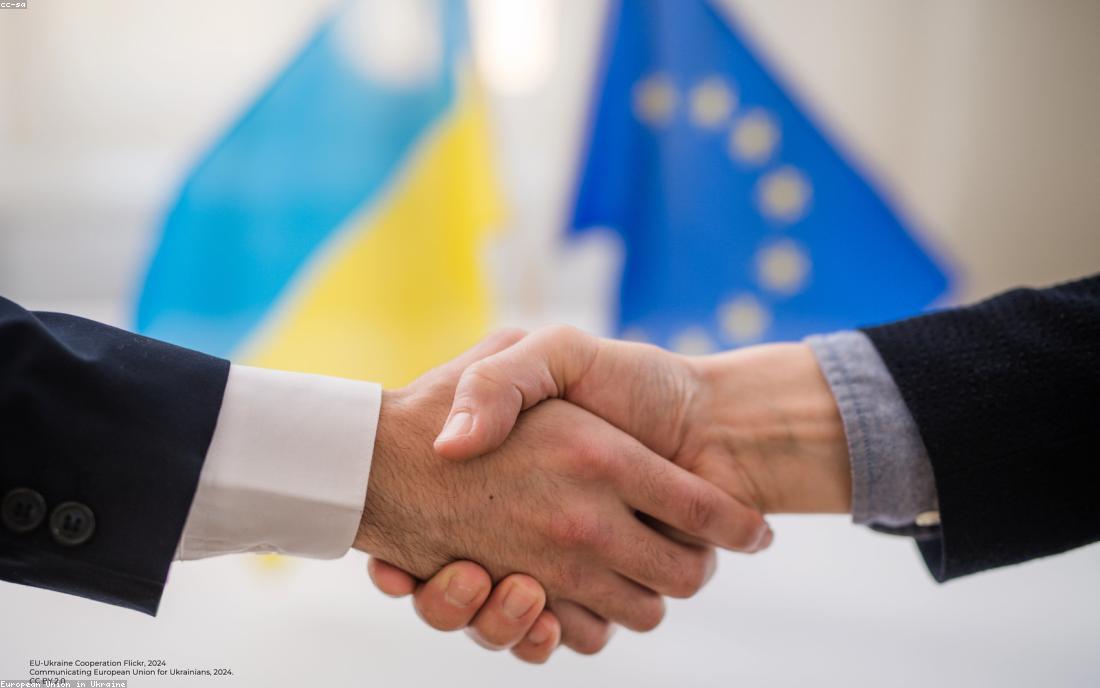
The European Union has maintained a consistent position of urging de-escalation and keeping diplomatic channels open. EU foreign policy representatives have been active in engaging all relevant parties, though the bloc’s collective influence is limited by the divergent positions of individual member states. The EU’s overall approach leans toward engagement and negotiation — a posture that distinguishes it from the more interventionist approach of some other actors.
What Comes Next for Europe
The resolution of the Iran conflict — when it comes — will have significant implications for European energy markets, security architecture and foreign policy. A diplomatic settlement that restores stability to the Strait of Hormuz would allow energy prices to ease, freeing up economic room for the ECB to normalise rates and for European governments to reduce the emergency energy support measures they have maintained.
For Europe’s strategic thinkers, the crisis has reinforced lessons about energy diversification and the risks of dependence on any single transit route. The investments in renewable energy, hydrogen infrastructure and energy storage that form the core of the European Green Deal look even more compelling when viewed through the lens of energy security as well as climate goals. The crisis, in this sense, may ultimately accelerate the very transition it has temporarily disrupted.
Energy Diversification: Europe’s Long-Term Response
The Iran conflict and its impact on European energy has reinforced the arguments for energy diversification that have been made since the 2022 Russian energy crisis. Europe’s vulnerability to energy supply disruptions from any single source or transit route has been demonstrated twice in four years — first through Russian gas, now through the Strait of Hormuz.
The European response — investing heavily in renewable energy, diversifying gas import sources, developing hydrogen infrastructure and improving energy storage — is the right long-term direction. The challenge is pace: the transition takes time, and in the interim, Europe remains exposed to the geopolitical risks of fossil fuel dependence.
The silver lining, if there is one, is that each energy crisis accelerates the political will and investment needed for the transition. The 2022 gas crisis pushed European renewable energy investment to record levels. The 2026 oil price shock has added further urgency to the case for energy independence. Europe’s clean energy future is coming — the crises are simply making it come faster.
Frequently Asked Questions
How many countries are in the Strait of Hormuz coalition?
More than forty countries, including several European nations, have joined the coalition working to secure freedom of navigation.
How has the Iran conflict affected European energy prices?
It has kept oil and gas prices elevated, contributing to higher fuel costs and complicating ECB efforts to bring inflation under control.
What is Switzerland’s role in the Iran conflict?
Switzerland is playing its traditional role as a neutral diplomatic channel, facilitating communications in Geneva that would be difficult in other capitals.
Key Takeaways
- More than 40 countries are in the Strait of Hormuz coalition, including European nations.
- Oil price uncertainty is keeping European energy costs elevated.
- Switzerland is playing a quiet but potentially crucial diplomatic role.
- Spain has closed its airspace to US military aircraft — an unusual European position.


Leave a Reply