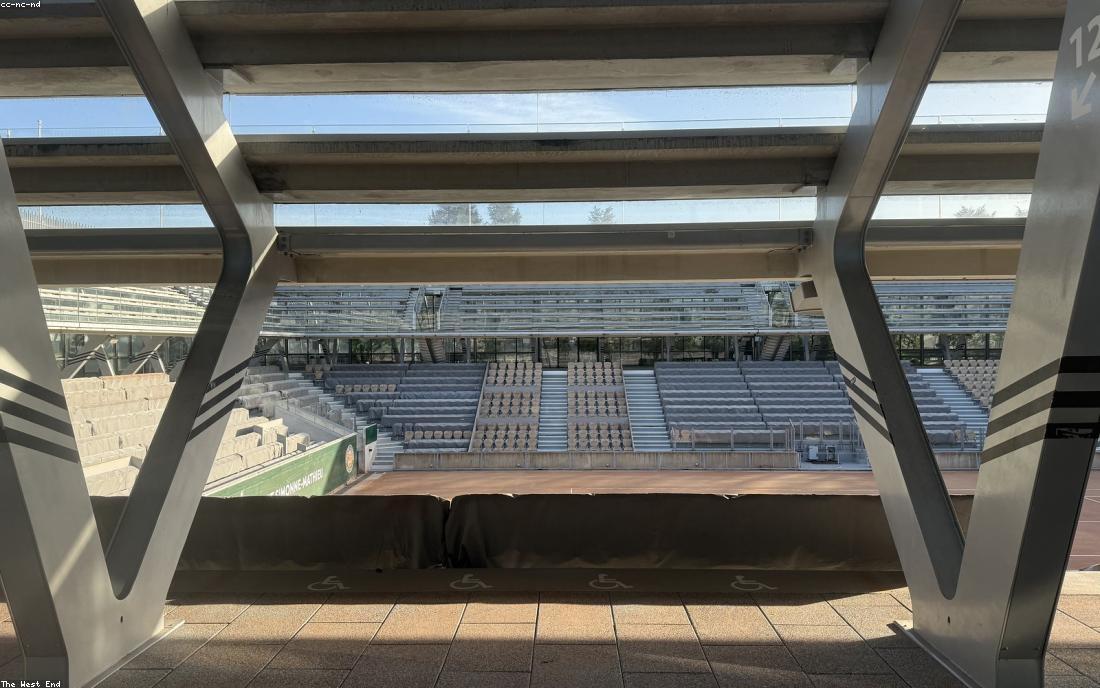
Every May and early June, the eyes of the global tennis world turn to a corner of the 16th arrondissement of Paris where the clay courts of Roland-Garros have been hosting the French Open since 1928. The tournament is the second Grand Slam of the year, the only one played on clay, and by common consensus the most atmospheric, most demanding and most romantically charged of the four major championships. It is also one of Europe’s great annual sporting and cultural events.
The Clay That Changes Everything
Tennis is, fundamentally, one sport. But the surface on which it is played transforms it almost beyond recognition. The clay of Roland-Garros — red, slow, physically demanding — rewards different qualities than the grass of Wimbledon or the hard courts of the Australian and US Opens. Rallies are longer, athleticism and stamina matter more, and the margin for error on serve is reduced. Players who dominate other Grand Slams have struggled on clay; players who find the surface suits them have built careers around the Paris fortnight.
This is why the French Open produces its own champions and its own stories. Rafael Nadal won here fourteen times — a record of almost supernatural consistency. Steffi Graf and Justine Henin dominated on the Paris clay. And every year, new names emerge as potential clay-court specialists who might one day challenge for the Roland-Garros title.
No surface in tennis reveals character like clay. Roland-Garros does not just test your game — it tests you.
Paris as a Setting
The tournament cannot be separated from its setting. Paris in late May and early June is one of the great cities at one of its finest times of year. The chestnut trees are in bloom, the terraces are full, and the city hums with the particular energy of a place that takes great pleasure seriously. Roland-Garros sits within walking distance of the Eiffel Tower, and the surrounding streets fill with tennis fans, journalists and players who make the tournament one of the most cosmopolitan gatherings in sport.
The food, the wine, the architecture and the conversation that surrounds the tennis give Roland-Garros a quality that extends beyond the courts. Attending the tournament is not just watching tennis — it is participating in a particular kind of Parisian experience.
The Stadium: Court Philippe-Chatrier
The tournament’s main arena, Court Philippe-Chatrier, is one of sport’s great venues. Its famous red clay, the surrounding stands filled with passionate French tennis lovers, and the retractable roof that was added in recent years to protect against the Parisian weather — all contribute to an atmosphere that players describe as uniquely intense. Winning on Chatrier is a different kind of achievement from winning on any other court in the world.
The History That Runs Through Every Match
Roland-Garros began in 1928, named after a French aviator, and has hosted nearly a century of tennis history. Legends of the game have competed here — Borg, Connors, McEnroe, Navratilova, Seles, Graf, Sampras, Williams, Federer, Djokovic, Nadal. The walls of the stadium have absorbed the sounds of triumph and defeat across generations, and every player who steps onto Chatrier does so aware of the history beneath their feet.
Why the French Open Matters for European Tennis Culture
For European tennis fans, Roland-Garros is the home Grand Slam. Unlike Wimbledon, which carries the weight of English tradition, or the Australian and US Opens, which are continental events, the French Open sits at the heart of the European sporting calendar in a way that makes it feel genuinely shared across the continent. French, Spanish, Italian, German and Eastern European players all have strong connections to clay-court tennis, and the tournament reflects that diversity.
Coverage of Roland-Garros reaches across Europe and beyond — including to the rapidly growing tennis audience in India, where interest in Grand Slam tennis has expanded significantly in recent years. The 2026 edition, with its extraordinary storylines, is reaching audiences who perhaps never followed tennis closely before.
The 2026 Edition: A Tournament for the Ages
What makes Roland-Garros 2026 particularly special is the convergence of history-making drama at every turn. The exits of Sinner and Djokovic have opened the men’s draw to new possibilities. The women’s draw features a rematch of one of last year’s best finals. Young players are announcing themselves to the world. And the backdrop of Paris — with the World Cup beginning just days after the tournament ends — gives the whole fortnight a heightened sense of occasion that few editions can match.
Frequently Asked Questions
When did the French Open start being held at Roland-Garros?
The tournament moved to Roland-Garros in 1928, named after French aviator Roland Garros.
Why is the French Open the only Grand Slam on clay?
Historical and cultural reasons rooted in European tennis traditions established clay as the dominant surface for elite tennis in France and across continental Europe.
How many times did Rafael Nadal win the French Open?
Nadal won Roland-Garros fourteen times — a record of consistency that is unlikely to be matched.
Key Takeaways
- Roland-Garros has hosted the French Open since 1928 and is Europe’s home Grand Slam.
- Clay rewards different skills than hard courts or grass — patience, athleticism and consistency.
- Court Philippe-Chatrier is one of sport’s great venues, with a unique atmosphere.
- The 2026 edition has produced extraordinary drama that has captured fans worldwide.
Final Thoughts
Whether you are a lifelong tennis fan or discovering the sport through the drama of Roland-Garros and what it represents, Roland-Garros continues to deliver the kind of moments that make sport worth watching. The red clay of Paris has a way of revealing character — of testing players beyond their usual comfort zones and producing champions who earn their titles the hard way.
At Inside Euro Life, we cover the stories behind the sport as much as the scores themselves. Stay with us for continued coverage of the French Open finals and all the major sporting and news events shaping Europe in 2026.

Leave a Reply