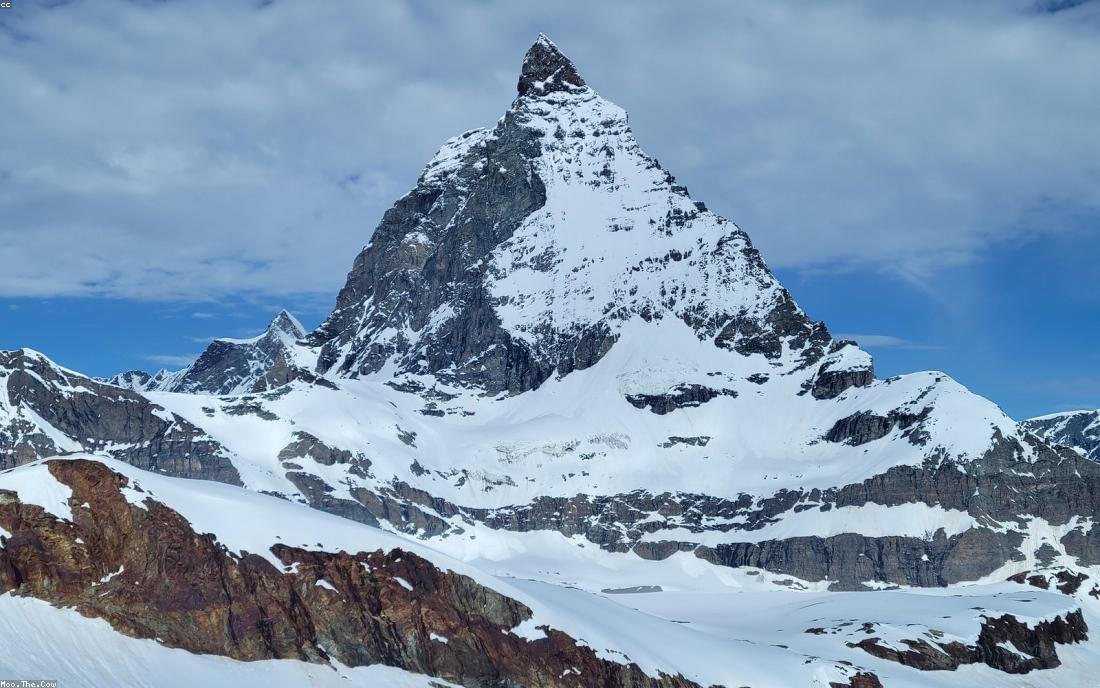
Switzerland’s reputation for sky-high prices puts off many travellers, including those dreaming of its snow-capped peaks and shimmering lakes. Yet with careful planning, the land of mountains and chocolate can be experienced without spending a fortune. This complete guide reveals how to enjoy Switzerland on a budget while still soaking up its world-famous beauty.
Understanding the Costs
There is no avoiding the truth: Switzerland is genuinely expensive. Accommodation, dining out and transport all cost more than in most neighbouring countries. But the good news is that many of Switzerland’s greatest pleasures — its scenery, its hiking trails, its lakeside towns — are either free or surprisingly affordable. The trick is to spend wisely on experiences and save on the rest.
Saving on Transport
Getting around is one of the biggest expenses, but smart choices make a huge difference.
- Travel passes: Regional and national transport passes can offer excellent value if you plan to move around, covering trains, buses and boats.
- Plan routes: Compare the cost of passes against individual tickets for your specific itinerary.
- Walk and hike: Many of Switzerland’s most spectacular experiences cost nothing but effort.
Affordable Places to Stay
Luxury hotels are not the only option. Mountain hostels, guesthouses, budget inns and self-catering apartments offer comfortable alternatives at a fraction of the price. Staying just outside major cities or in smaller towns can dramatically cut accommodation costs while keeping you close to the action via Switzerland’s superb public transport.
In Switzerland, spend on views and experiences — and save on everything else.
Eating Well for Less
Dining out frequently can wreck a budget. Instead, embrace the supermarket picnic — Swiss supermarkets offer good-quality bread, cheese, fruit and snacks at reasonable prices. Preparing your own breakfasts and lunches, and enjoying the occasional restaurant meal as a treat, keeps food costs under control. Tap water is excellent and free, so carry a refillable bottle.
Free and Low-Cost Experiences
Some of Switzerland’s most memorable experiences cost little or nothing:
- Hiking the countless well-marked mountain and lakeside trails.
- Strolling through historic old towns and along lake promenades.
- Swimming in pristine lakes and rivers in summer.
- Enjoying panoramic viewpoints accessible on foot.
- Visiting parks, markets and free public attractions.
Timing Your Trip
Visiting in shoulder seasons — late spring or early autumn — can mean lower prices, fewer crowds and still-pleasant weather. Peak summer and ski season command premium rates, so flexibility with timing can save significant money while offering a more relaxed experience.
Smart Daily Habits
Small choices add up. Carry water and snacks to avoid impulse purchases. Use public transport rather than taxis. Look for free walking routes between attractions. Take advantage of any guest cards offered by accommodation, which sometimes include free or discounted local transport and activities.
Sample Budget Day in the Alps
Start with a self-prepared breakfast, then take a scenic train or cable car to a trailhead using your travel pass. Spend the day hiking amid breathtaking scenery, enjoying a picnic lunch with a mountain view. In the afternoon, explore a charming lakeside town on foot, then return to your guesthouse for a simple dinner. A day of unforgettable Swiss beauty, at a fraction of the typical cost.
The Reward
Switzerland on a budget is not about missing out — it is about focusing your spending on what truly matters: the landscapes, the fresh air and the sense of wonder that the Alps inspire. With a little planning, the country’s magic is well within reach, even for travellers watching every franc.
Best Regions for Value
While Switzerland is uniformly beautiful, some regions offer better value than the most famous resort towns. Exploring lesser-known valleys, smaller mountain villages and quieter lakeside communities can deliver equally stunning scenery at gentler prices. Researching beyond the headline destinations often uncovers hidden gems with fewer crowds and lower costs.
Making the Most of Nature
Switzerland’s greatest asset — its landscape — is largely free to enjoy. Thousands of kilometres of well-marked hiking trails wind through meadows, forests and mountains. Lakes invite swimming in summer, and viewpoints reward modest effort with unforgettable panoramas. Building your trip around these free natural experiences is the single best way to keep costs down while maximising wonder.
Smart Use of Cable Cars and Trains
Mountain railways and cable cars can be expensive, but they unlock some of Switzerland’s most spectacular scenery. Travel passes, regional discounts and guest cards can reduce these costs significantly. Plan which scenic ascents matter most to you and budget for those, rather than trying to do every one — selectivity keeps the experience special and affordable.
Eating Like a Local
Beyond supermarket picnics, seeking out local bakeries, markets and casual eateries away from tourist hotspots offers tastier, cheaper meals. Lunchtime menus are often better value than dinner, and sharing dishes stretches the budget. Embracing simple, local food is both economical and a genuine part of experiencing Swiss culture.
Planning the Perfect Budget Itinerary
A successful budget trip comes down to planning. Decide your priorities, book transport and accommodation early, build your days around free experiences, and keep one or two splurges for moments that truly matter. With this approach, even Switzerland — long considered the preserve of the wealthy — opens up to travellers of all budgets, offering memories that far outshine their modest cost.
Packing Smart for Switzerland
Good preparation saves money and hassle. Packing layered clothing suited to changeable mountain weather, comfortable walking shoes and a refillable water bottle means you are ready for anything without buying overpriced items on the spot. Bringing your own small essentials — snacks, sunscreen, a basic first-aid kit — avoids inflated tourist prices and keeps you comfortable throughout your trip.
Experiencing Local Culture for Free
Some of the most memorable experiences cost nothing. Wandering through historic old towns, watching daily life unfold in a village square, attending free public festivals or simply soaking in the rhythm of Swiss life all offer authentic insight into the country. Engaging with local culture in these simple ways often proves more rewarding than expensive attractions.
The Reward of Slow Travel
Budget travel naturally encourages a slower, more thoughtful pace — and that is no bad thing. Rather than rushing between costly attractions, you linger, explore on foot, and notice the details that make a place special. This slower approach not only saves money but often delivers a deeper, more genuine experience of Switzerland’s extraordinary landscapes and culture, leaving you with richer memories than any rushed, expensive tour could provide.
Frequently Asked Questions
Is it really possible to visit Switzerland on a budget?
Yes. While Switzerland is expensive, many of its best experiences — hiking, scenery, lakeside towns — are free or cheap. Saving on transport, food and accommodation makes a budget trip very achievable.
What is the cheapest way to get around Switzerland?
Regional and national travel passes often offer the best value for those moving around, while walking and hiking cost nothing at all.
When is the cheapest time to visit?
Shoulder seasons — late spring and early autumn — typically offer lower prices and fewer crowds than peak summer or ski season.
Key Takeaways
- Switzerland is expensive, but its best experiences are often free.
- Travel passes, self-catering and budget stays cut costs dramatically.
- Hiking, lakes and old towns deliver world-class beauty for little money.
- Travel in shoulder seasons for lower prices and thinner crowds.
Final Thoughts
Understanding switzerland on a budget is not about memorising every detail, but about grasping the big picture so you can make confident, informed decisions. Europe rewards those who do their homework: the more clearly you understand how things work, the better placed you are to seize opportunities and avoid costly mistakes. Take the time to plan, ask questions, and seek reliable guidance when the stakes are high. The effort you invest in understanding the essentials today will pay off many times over in the choices you make tomorrow.
It is also worth remembering that the landscape is always shifting. Rules change, markets move, and new opportunities open while others close. What matters most is building a solid foundation of knowledge so that, whatever changes come, you can adapt with confidence rather than being caught off guard. Treat this guide as a starting point and stay curious as your own situation evolves.
At Inside Euro Life, our aim is to cut through complexity and give you clear, trustworthy explanations of the topics that matter most — from finance and travel to work, health, sport and culture across the continent. Every article is researched and written from scratch by our editorial team, with the goal of being genuinely useful rather than merely filling space. We will keep updating our coverage as rules, markets and circumstances change, so you always have a dependable starting point.
Where to Go From Here
If this guide helped you, explore our other in-depth articles on living, working, investing and travelling in Europe. Each one is written to help readers in India and around the world make the most of everything Europe has to offer. Bookmark the page, share it with anyone who might benefit, and check back regularly for fresh, practical insight you can actually use. The more you read, the clearer the bigger picture becomes — and the more confident you will feel about your own European journey, whether that means a visit, a career move, an investment, or simply a deeper understanding of this remarkable continent.
Have a question we have not answered, or a topic you would like us to cover? Our editorial desk welcomes suggestions from readers, because the best guides are shaped by the real questions people ask. Thank you for reading, and we hope to be a trusted companion on whatever European path you choose to follow.

Leave a Reply