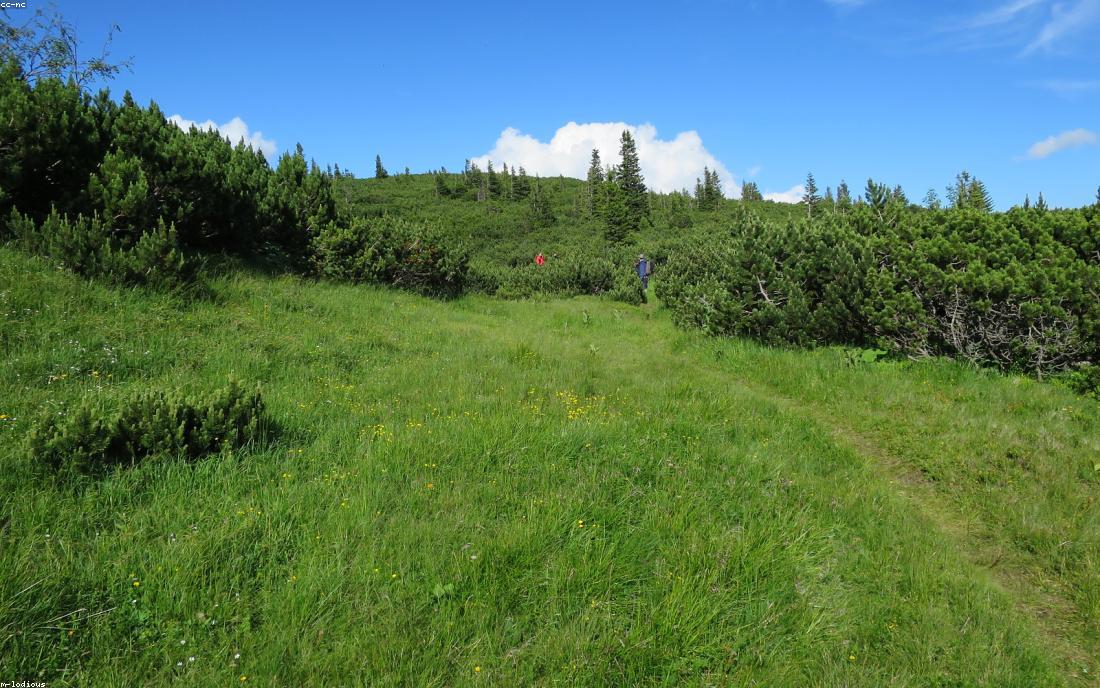
Austria is one of Europe’s most enchanting yet sometimes overlooked destinations. This Central European nation combines imperial grandeur, breathtaking Alpine scenery, a rich musical heritage and some of the most charming towns and villages on the continent. For travellers from across Asia, Austria offers a quieter, more refined European experience that rewards those who venture beyond the most obvious destinations. Here is your complete 2026 guide to discovering Austria.
Why Austria Appeals to Asian Travellers
Austria’s appeal lies in its combination of culture and nature, sophistication and accessibility. The country was the heart of the mighty Habsburg Empire, and its imperial heritage is visible in magnificent palaces, grand architecture and a refined cultural tradition. At the same time, Austria’s Alpine landscapes rival those of neighbouring Switzerland, often at more affordable prices. For Asian travellers seeking both cultural depth and natural beauty, Austria delivers both in abundance.
Austria has also become increasingly popular with Asian tour groups and independent travellers, particularly those drawn by the country’s musical heritage, its fairytale scenery, and its connection to films and stories that have captured imaginations worldwide.
Austria offers the grandeur of empire and the serenity of the Alps — a combination that few European countries can match.
Vienna: The Imperial Capital
Vienna, Austria’s capital, is one of Europe’s most elegant cities and consistently ranks among the world’s most liveable. The city’s imperial heritage is everywhere — the magnificent Schönbrunn Palace with its sweeping gardens, the Hofburg Palace, the grand Ringstrasse boulevard and the stunning St Stephen’s Cathedral. Vienna is also the world capital of classical music, the city of Mozart, Beethoven and Strauss, where attending a classical concert is an essential experience.
Beyond the grand sights, Vienna is famous for its coffee house culture — elegant cafés where one can linger over coffee and the famous Sachertorte cake. The city’s museums, opera and refined atmosphere make it a destination for those who appreciate culture and elegance.
Salzburg: Music and Beauty
Salzburg, the birthplace of Mozart, is one of Europe’s most beautiful cities. Its perfectly preserved baroque old town, dramatic hilltop fortress and stunning Alpine setting make it unforgettable. Salzburg is also famous as the setting for one of the most beloved musical films of all time, and fans flock to see the locations that featured in it. The surrounding Salzkammergut lake district offers some of Austria’s most spectacular scenery.
Hallstatt: The Fairytale Village
Perhaps no Austrian destination has captured Asian imaginations quite like Hallstatt. This impossibly picturesque village, nestled between a serene lake and towering mountains, looks like something from a fairytale. It has become enormously popular with Asian travellers, so much so that a full-scale replica was once built in China. Despite the crowds it now attracts, Hallstatt remains one of the most beautiful places in Europe — a must-see for those seeking the perfect Alpine village experience.
The Austrian Alps
Austria’s Alpine regions offer world-class scenery and outdoor experiences. Innsbruck, the capital of the Tyrol region, sits surrounded by dramatic mountains and offers both winter sports and summer hiking. The Austrian Alps provide spectacular drives, cable car rides, and access to pristine mountain landscapes — often at more reasonable prices than neighbouring Switzerland.
Austrian Culture and Cuisine
Austrian cuisine offers hearty, satisfying dishes — the famous Wiener Schnitzel, Tafelspitz, and an array of cakes and pastries that reflect the country’s coffee house tradition. The Sachertorte, a rich chocolate cake, is a Viennese institution. Austria’s wine regions and beer culture add to the culinary appeal. Vegetarian options are increasingly available in cities and tourist areas.
Practical Tips for Asian Travellers
Austria is part of the Eurozone and the Schengen Area, so the standard Schengen Visa applies. The country is more affordable than Switzerland while offering comparable Alpine scenery. Austria’s public transport is excellent, with efficient trains connecting the major cities and regions. Vienna makes an ideal base, with Salzburg, Hallstatt and the Alps all accessible. German is the language, though English is widely spoken in tourist areas.
Combining Austria with Neighbouring Countries
Austria’s central location makes it ideal for combining with neighbouring destinations. Vienna connects easily to Prague, Budapest and Bratislava — all spectacular Central European capitals within a few hours by train. This makes Austria an excellent hub for a wider Central European journey, allowing travellers to experience several countries and cultures in a single trip.
The Austrian Experience
Austria offers Asian travellers a refined and rewarding European experience — imperial grandeur in Vienna, musical heritage in Salzburg, fairytale beauty in Hallstatt and Alpine magnificence throughout. It is a destination that combines culture and nature, history and beauty, in a way that leaves a lasting impression. For those seeking a European journey beyond the most obvious destinations, Austria is a genuine treasure.
The Sound of Music and Austria’s Film Tourism
Austria’s connection to one of the most beloved musical films of all time has made it a pilgrimage destination for fans from across Asia and the world. Salzburg, where much of the film was set, offers dedicated tours that visit the iconic filming locations, and for many visitors these tours are a highlight of their Austrian journey. The combination of stunning scenery and beloved cinematic memory creates a powerful draw.
Beyond film tourism, Austria’s musical heritage runs deep and genuine. This is the land of Mozart, Haydn, Schubert and the Strauss dynasty. Attending a classical concert in Vienna or Salzburg connects visitors to a living tradition that stretches back centuries. For Asian travellers with an appreciation for classical music — and there are many — Austria offers experiences available nowhere else.
This cultural richness, combined with Austria’s natural beauty and relative affordability, makes the country an increasingly popular choice for Asian travellers seeking a European experience with genuine depth. It rewards those who come not just to see sights but to immerse themselves in a culture of extraordinary artistic achievement.
Frequently Asked Questions
What are the must-visit places in Austria?
Vienna for imperial palaces and music, Salzburg for baroque beauty and Mozart, Hallstatt for the fairytale village, and Innsbruck for the Alps.
Is Austria cheaper than Switzerland?
Yes. Austria offers comparable Alpine scenery to Switzerland at more affordable prices, making it excellent value.
Can I combine Austria with other countries?
Yes. Vienna connects easily by train to Prague, Budapest and Bratislava, making Austria an ideal hub for a Central European journey.
Key Takeaways
- Austria combines imperial grandeur, Alpine beauty and musical heritage.
- Vienna, Salzburg and the fairytale village of Hallstatt are essential destinations.
- Austria offers Swiss-style Alpine scenery at more affordable prices.
- Its central location makes it ideal for combining with Prague, Budapest and Bratislava.

Leave a Reply