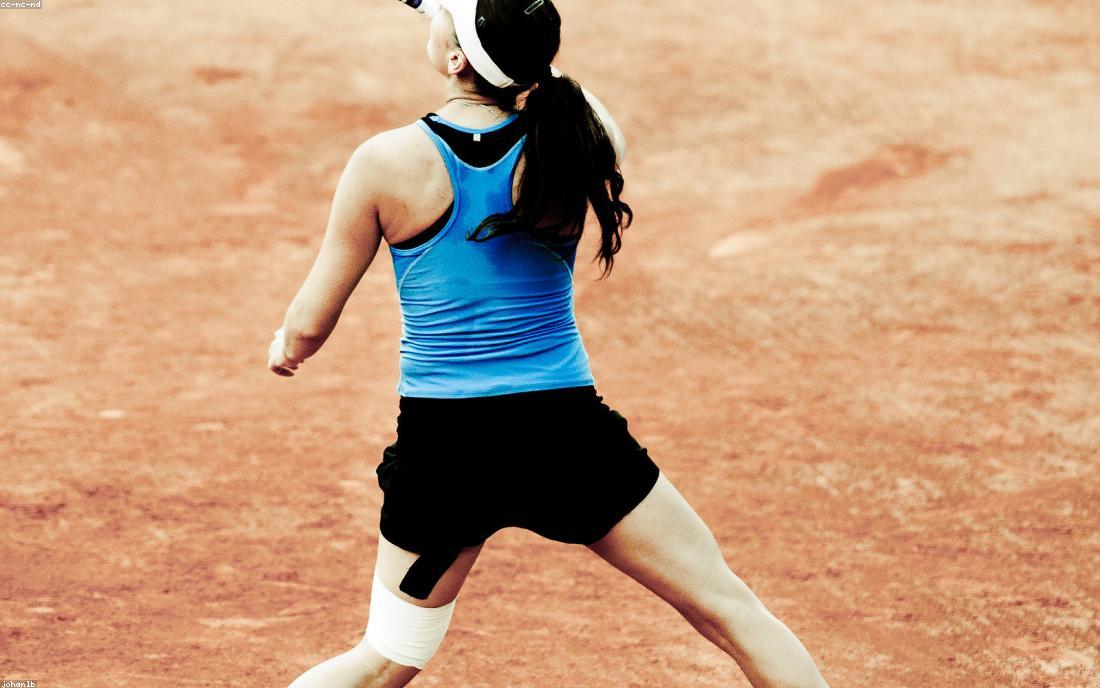
The 2026 French Open women’s singles competition has been thrown into delicious uncertainty following the shock third-round exit of defending champion Coco Gauff. The American, who lifted the trophy in 2025 with a memorable final victory, was eliminated by Anastasia Potapova in a result that few saw coming and that has transformed the shape of the tournament.
The Upset That Changed the Tournament
Gauff arrived at Roland-Garros 2026 as the defending champion and one of the favourites, having shown strong form on clay throughout the season. Her third-round defeat to Potapova was therefore a genuine surprise — the kind of result that reminds us why sport remains endlessly compelling. No champion, however talented, is guaranteed anything on the unpredictable clay of Paris.
For Gauff, the defeat is a bitter disappointment, ending her title defence far earlier than she would have hoped. For Potapova, it represents one of the biggest wins of her career. And for the rest of the women’s draw, it means that the path to the title has suddenly become considerably clearer.
In tennis, the defending champion carries a target on their back. At Roland-Garros 2026, Gauff’s early exit has opened the door for a host of contenders.
Who Can Now Win the Women’s Title?
With the defending champion gone, the women’s draw is wide open. World number one Aryna Sabalenka, the Belarusian powerhouse, is now the clear favourite. Her aggressive baseline game and mental toughness make her formidable on any surface, and she will see Gauff’s exit as a significant opportunity to claim a title that has so far eluded her on the Paris clay.
Beyond Sabalenka, a number of talented players sense their chance. The women’s tour in 2026 is deep with quality, and the absence of the defending champion means that several players who might have expected to meet Gauff in the later rounds now have a clearer path to the final.
The Unpredictable Nature of Clay
The clay courts of Roland-Garros have always been the great leveller of women’s tennis. The slow surface rewards patience, movement and tactical intelligence, and it can expose weaknesses in players whose games are built for faster courts. Upsets are more common at the French Open than at any other Grand Slam, precisely because the surface demands such a complete skill set.
This unpredictability is part of what makes the tournament so compelling. Every year, players who might struggle on grass or hard courts find that the clay suits their game, while established stars find themselves tested in ways they do not experience elsewhere.
The Women’s Final on 6 June
The women’s singles final takes place on 6 June at Court Philippe-Chatrier, the historic main arena where the Olympic tennis medals were awarded at the Paris 2024 Games. With the draw so dramatically reshaped, the identity of the two finalists is genuinely uncertain — and that uncertainty has only heightened interest in the tournament.
A New Champion Awaits
One certainty remains: the 2026 French Open will crown a women’s champion who has earned the title through one of the most open draws in recent memory. Whether it is the formidable Sabalenka finally claiming her Paris crown, or a surprise contender seizing the opportunity created by Gauff’s exit, the women’s final promises to be a fitting climax to a tournament that has defied expectations at every turn.
What It Means for Women’s Tennis
The drama of the 2026 French Open women’s draw reflects the depth and competitiveness of the women’s game in this era. Gone are the days when one or two players dominated every tournament. Today’s women’s tour features a deep pool of talented players capable of beating anyone on their day. For fans, this means more unpredictability, more drama and more genuinely competitive tennis — and the 2026 French Open has delivered all of it.
The Depth of the Modern Women’s Game
The shock exit of a defending champion like Coco Gauff illustrates a defining feature of modern women’s tennis: its extraordinary depth. In previous eras, a small number of dominant players could expect to reach the latter stages of every major tournament. Today, the women’s tour features a deep pool of talented players, any of whom can beat anyone on their day.
This depth makes women’s tennis genuinely unpredictable and compelling. Every tournament feels open. Every match carries the potential for an upset. And every champion must earn their title through a gauntlet of dangerous opponents. For fans, this means more drama and more genuinely competitive tennis than in eras of single-player dominance.
The clay of Roland-Garros amplifies this competitiveness. The surface demands a complete game — power, movement, patience and tactical intelligence — and exposes any weakness. It is the ultimate test, and the player who emerges as champion from the wide-open 2026 draw will have proven herself against the full depth of the women’s game.
For the next generation of players watching this tournament, the message is clear: opportunity is there for those bold enough to seize it. The 2026 French Open has shown that no reputation guarantees success and no draw position guarantees a path — and that is precisely what makes the sport so endlessly watchable.
Frequently Asked Questions
Why did Coco Gauff lose at the 2026 French Open?
Gauff was eliminated in the third round by Anastasia Potapova, a surprise result that ended her title defence early.
Who is the favourite for the women’s title after Gauff’s exit?
World number one Aryna Sabalenka is now the clear favourite to win the 2026 French Open women’s singles title.
When is the women’s French Open final?
The women’s singles final takes place on 6 June 2026 at Court Philippe-Chatrier.
Key Takeaways
- Defending champion Coco Gauff was eliminated in the third round by Anastasia Potapova.
- World number one Aryna Sabalenka is now the clear favourite for the title.
- Clay courts make the French Open the most upset-prone of all Grand Slams.
- The women’s final on 6 June will crown a champion from a wide-open draw.

Leave a Reply